
Instrumentation
Pressure Gauge
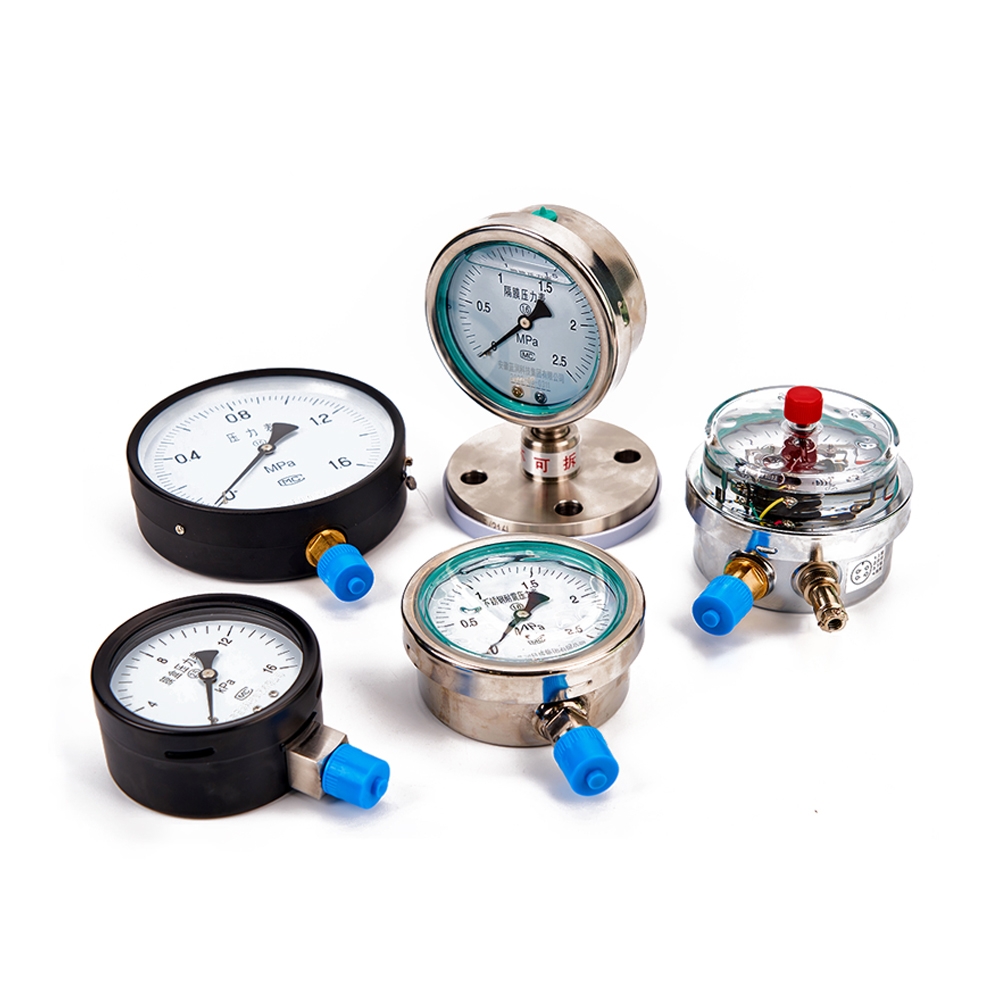
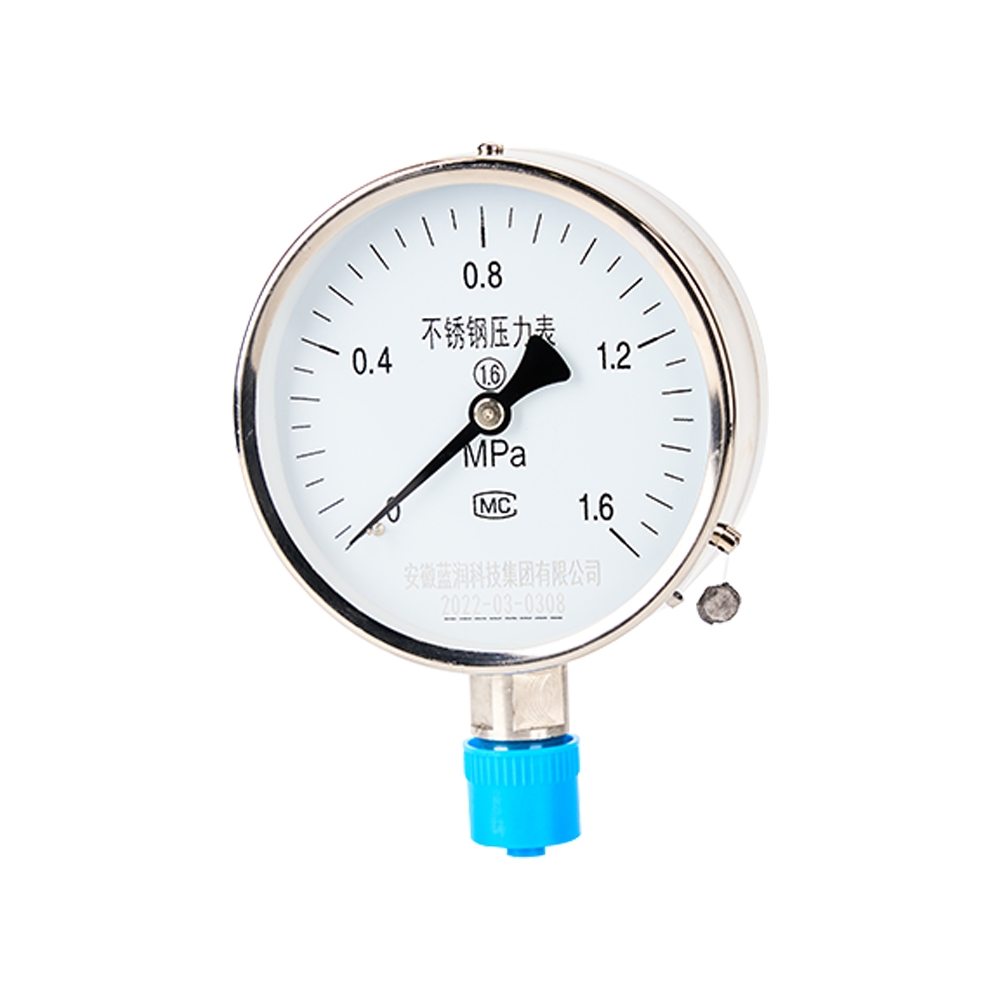
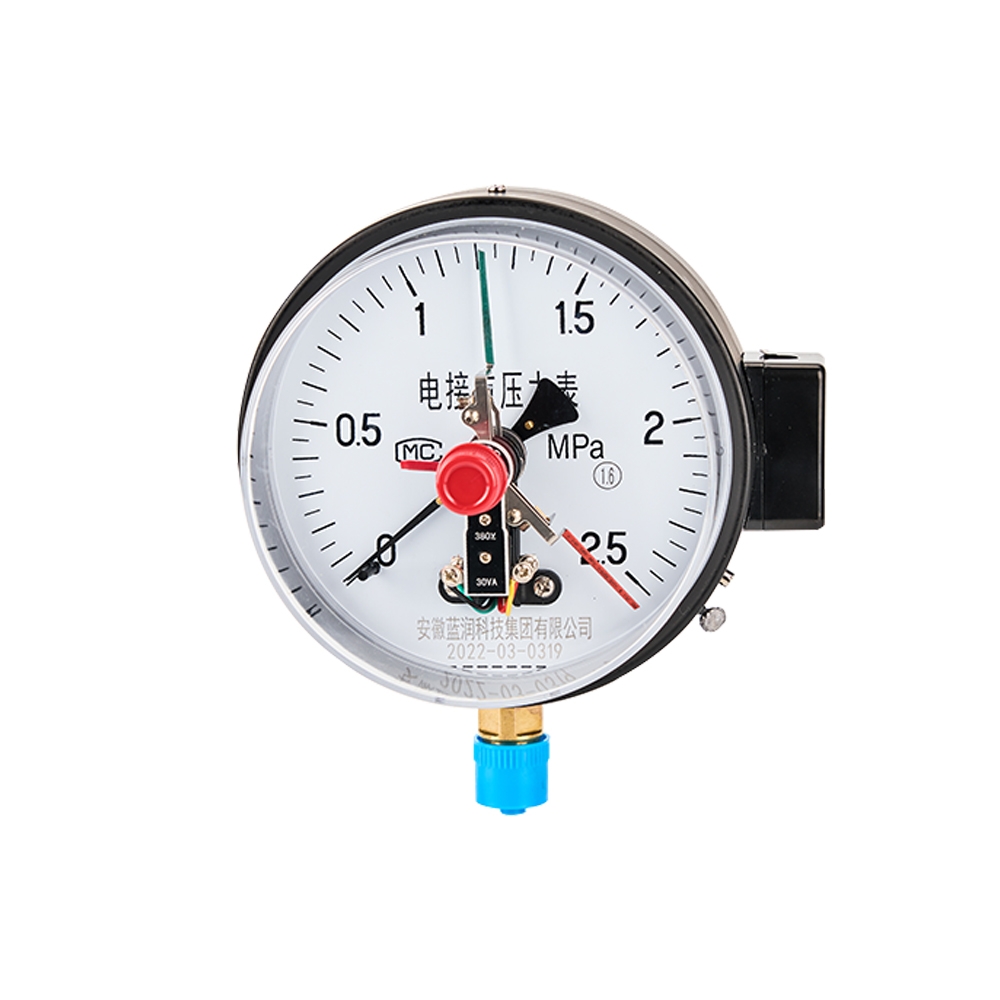
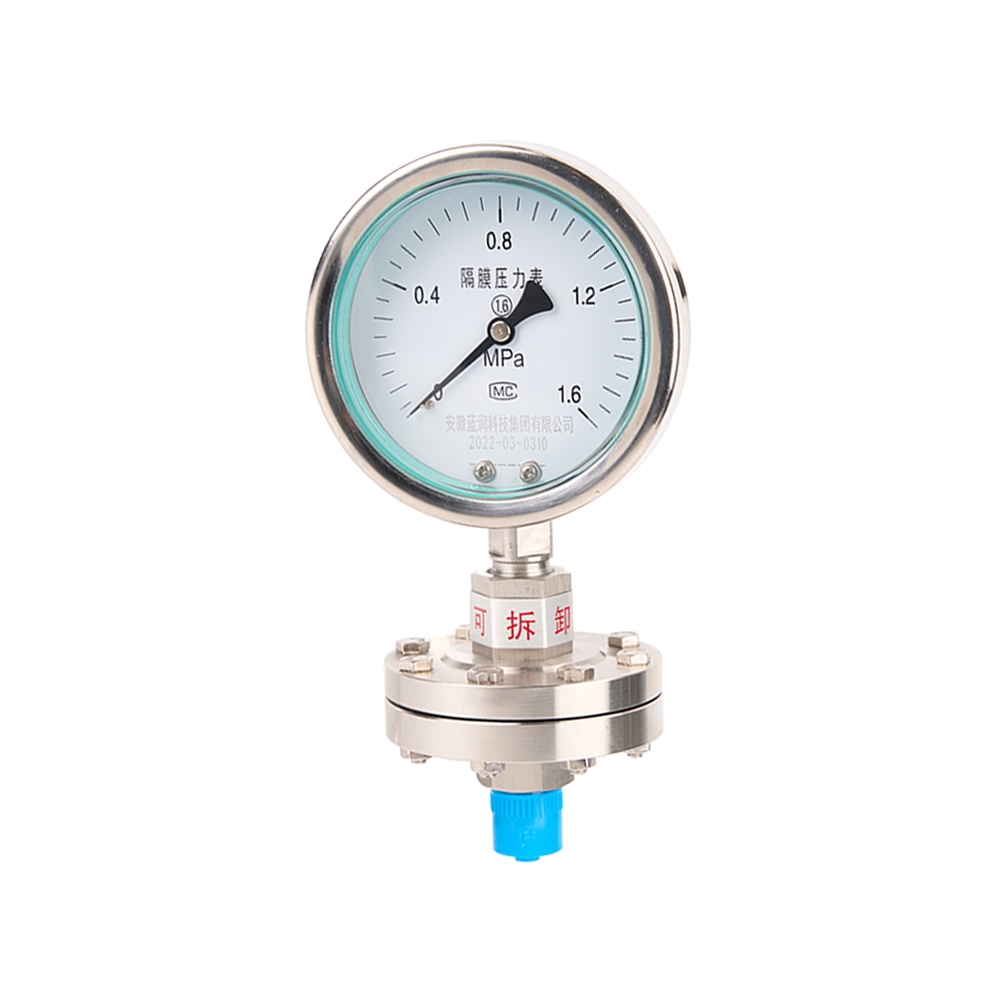
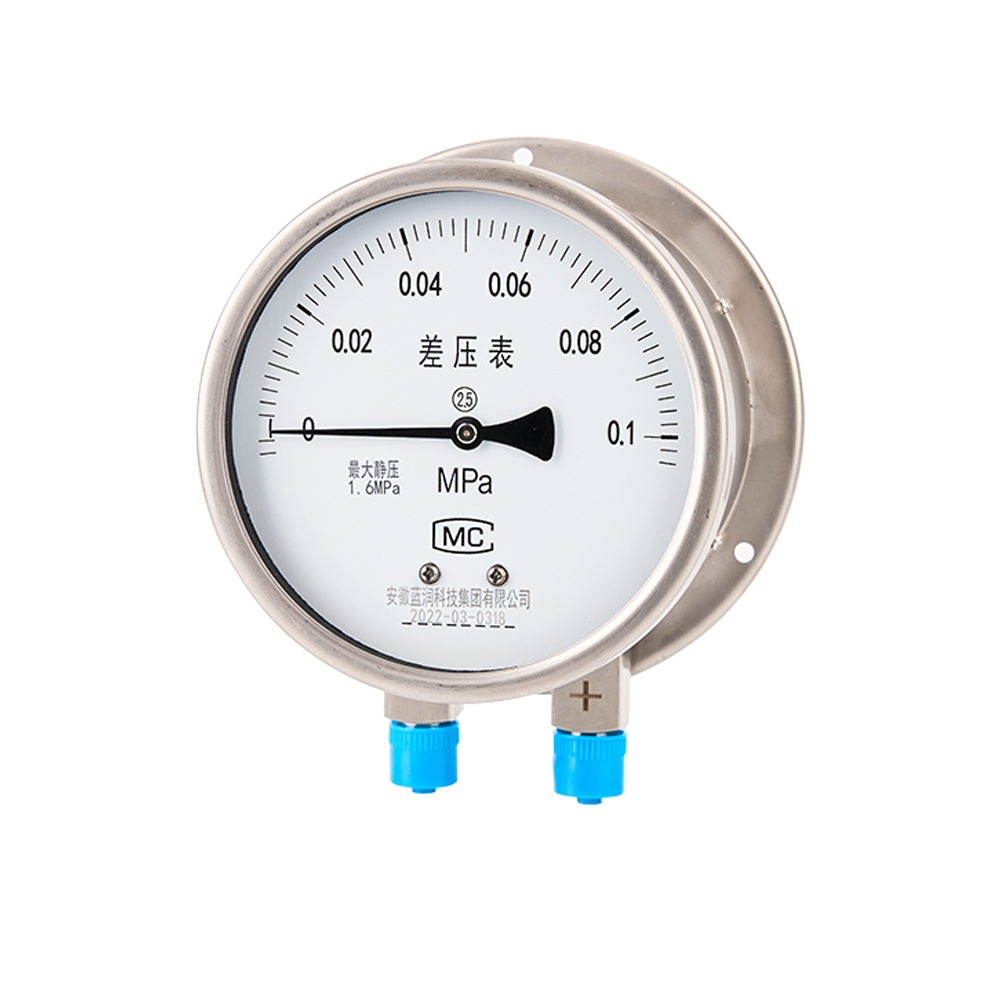
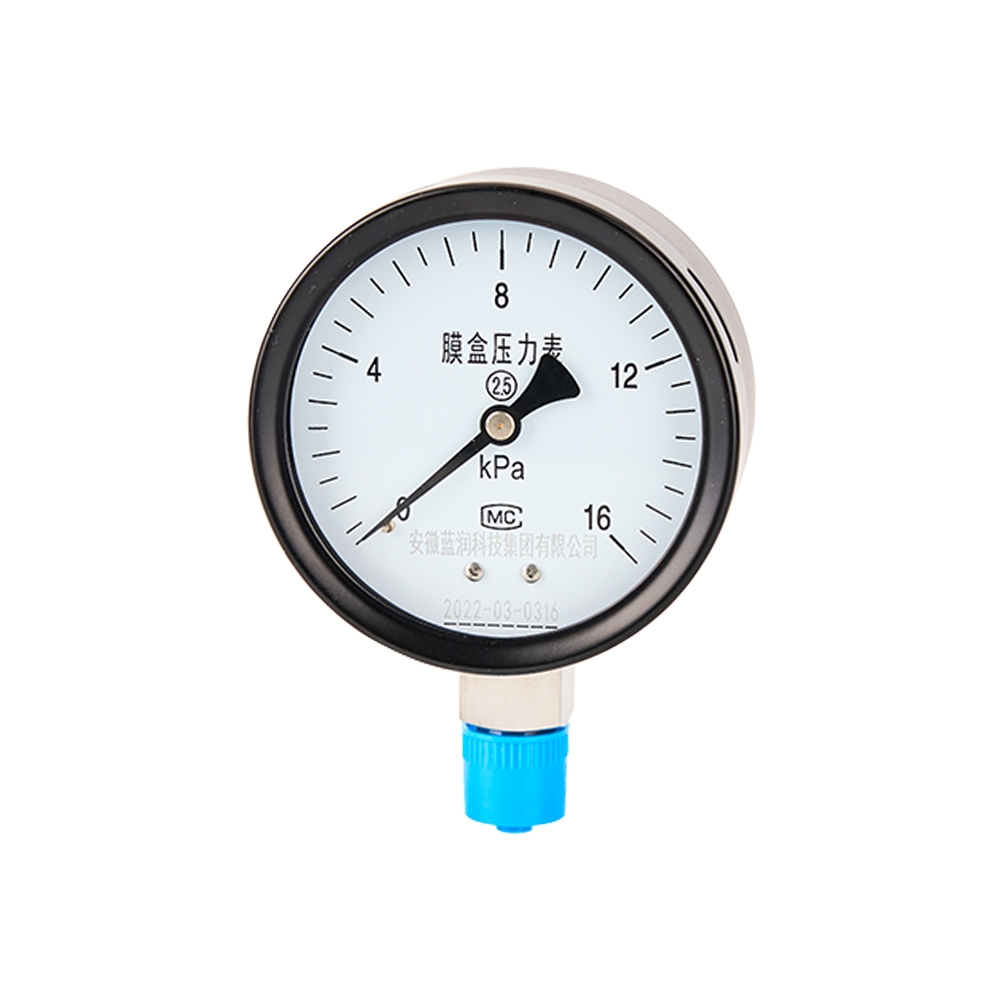
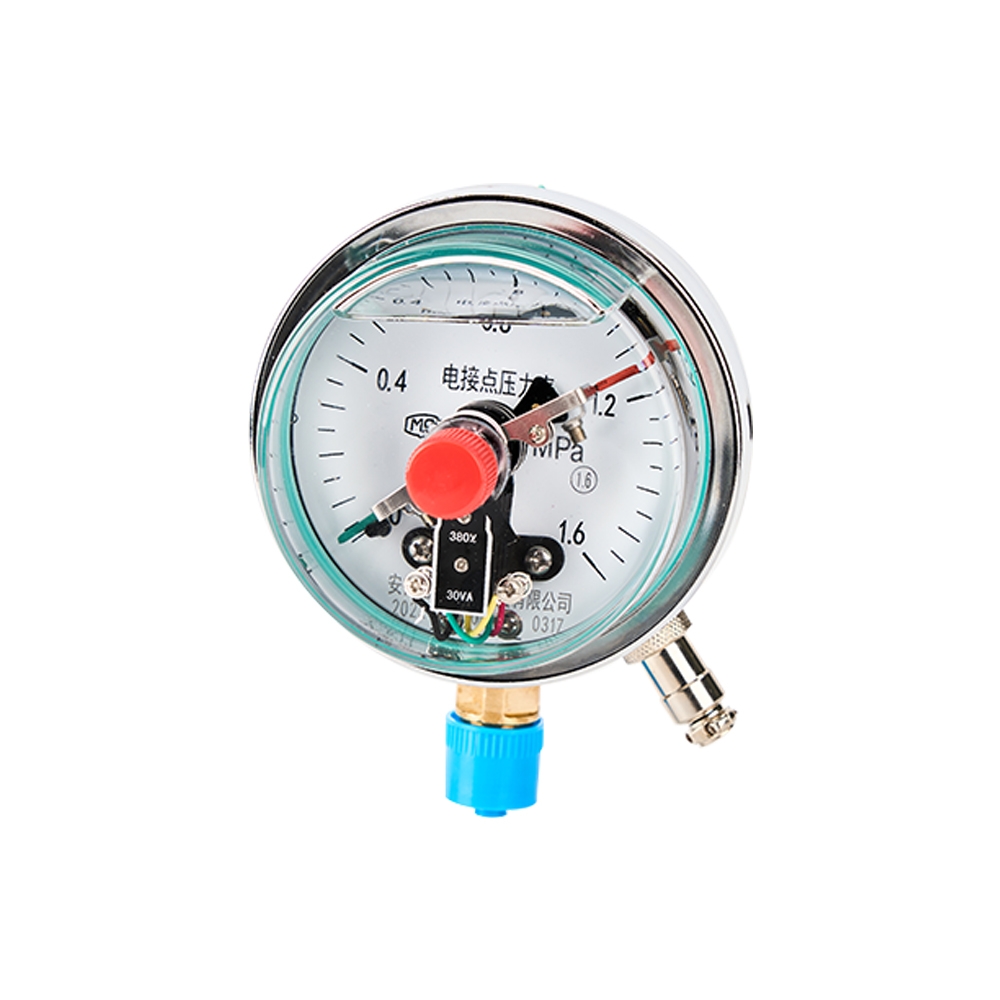
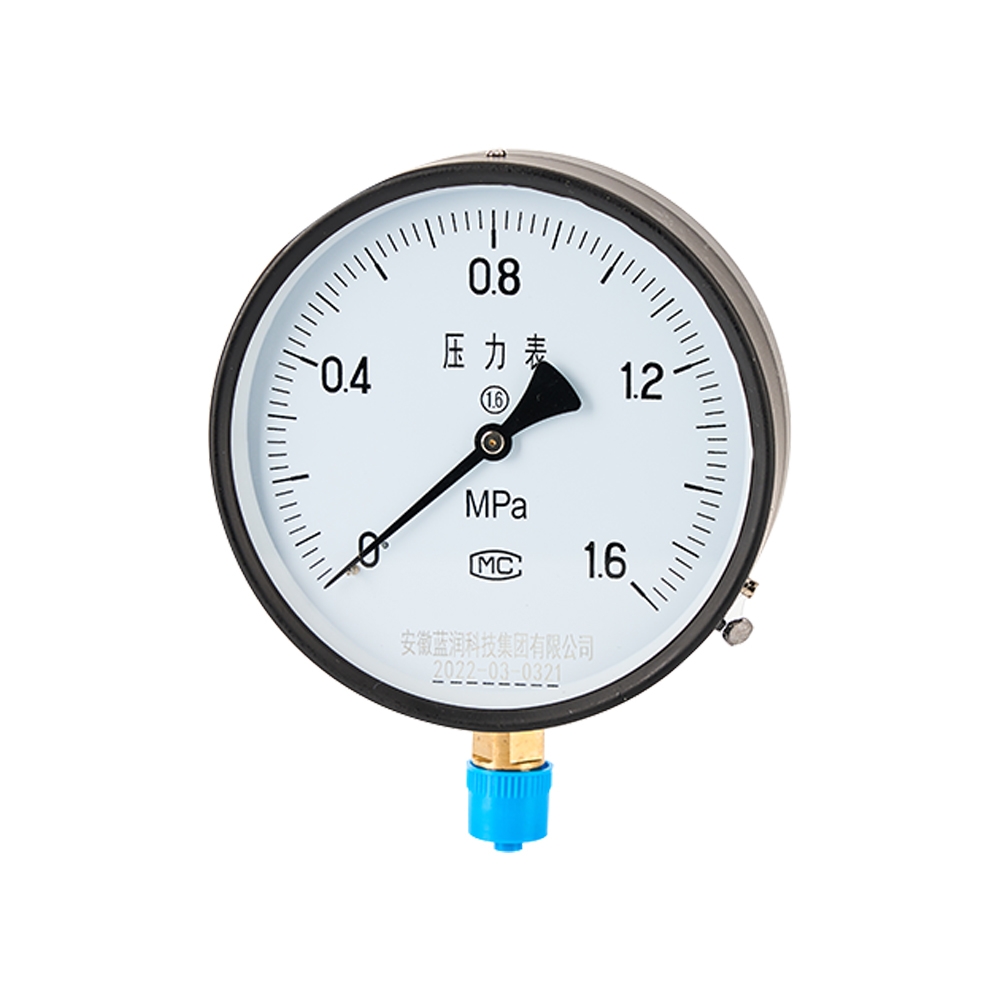
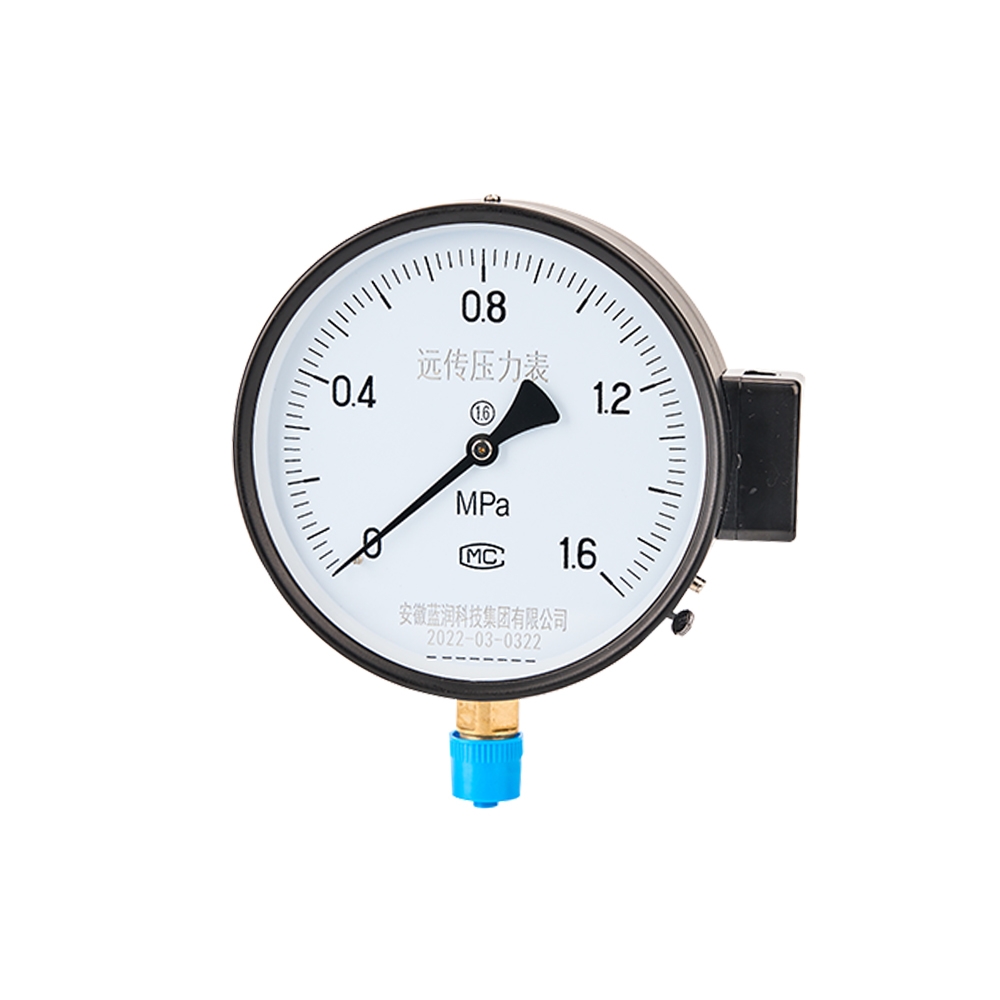
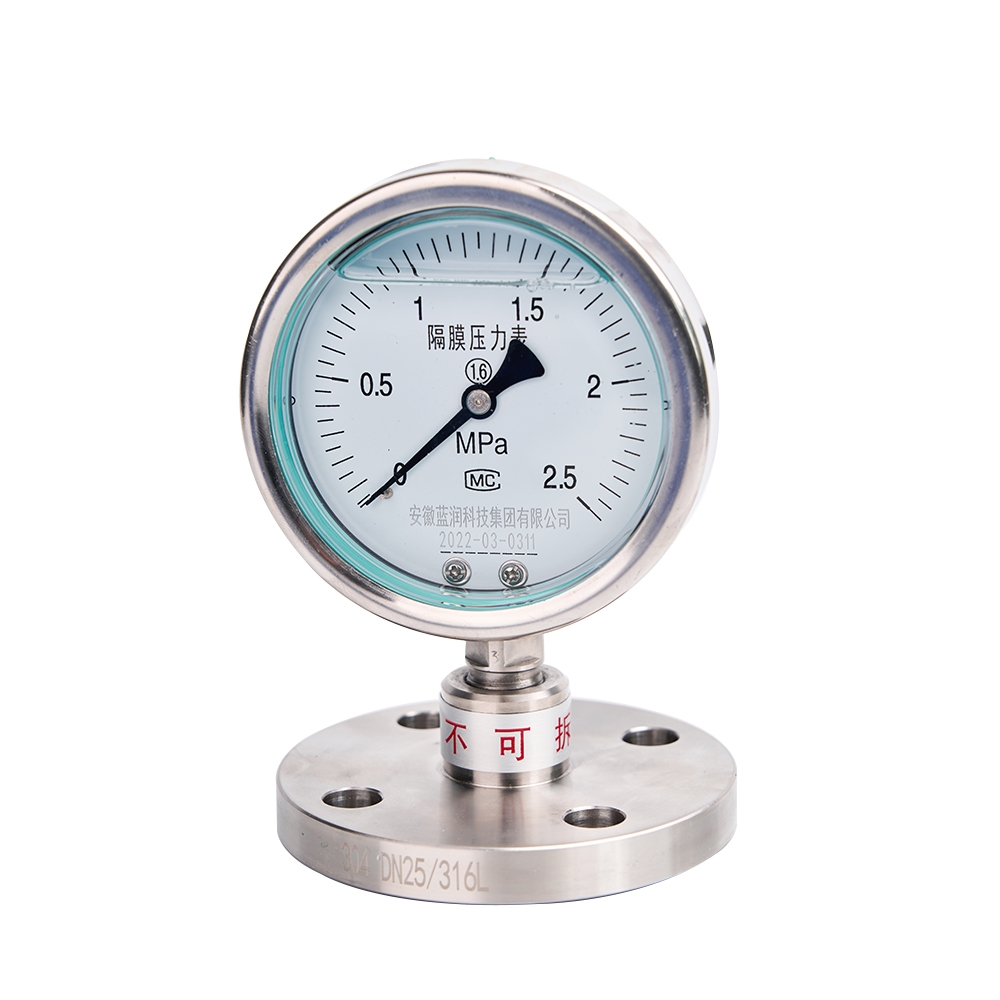
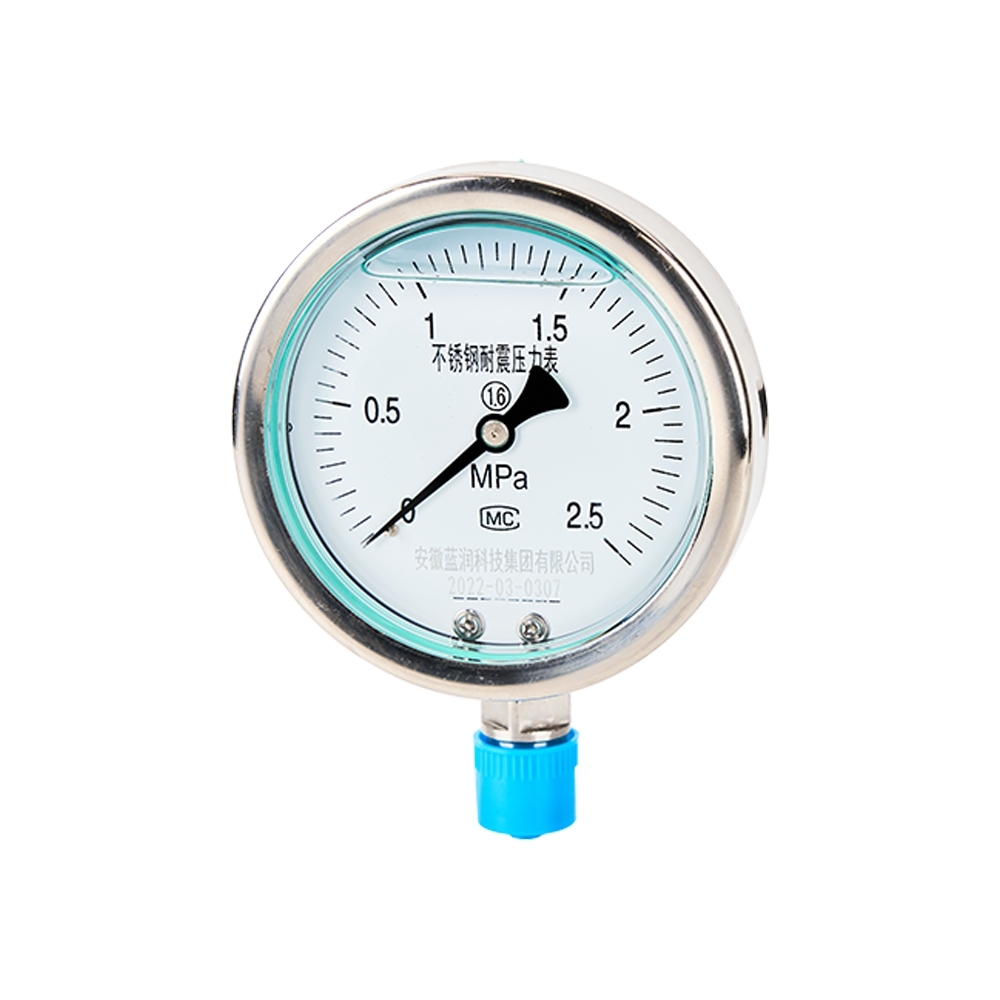
The selection of instrument type must meet the requirements of the process production. For example, whether remote transmission, automatic recording or alarm is required; whether the properties of the measured medium (such as the temperature, viscosity, corrosiveness, degree of contamination, flammability and explosiveness of the measured medium, etc.) impose special requirements on the instrument; and the requirements of on-site environmental conditions (such as humidity, temperature, magnetic field strength, vibration, etc.) on the instrument type. Therefore, correctly selecting the instrument type according to process requirements is an important prerequisite for ensuring normal instrument operation and safe production. For example, the Bourdon tube of an ordinary pressure gauge is mostly made of copper alloy (alloy steel for high pressure), while the Bourdon tube of an ammonia pressure gauge is made of carbon steel (or stainless steel), and copper alloy is not permitted. Because ammonia reacts chemically with copper and may cause an explosion, an ordinary pressure gauge cannot be used for ammonia pressure measurement. An oxygen pressure gauge and an ordinary pressure gauge may be completely identical in structure and materials, except that an oxygen pressure gauge must be oil-free. Because oil entering an oxygen system can easily cause an explosion. The oxygen pressure gauge used cannot use oil as the working medium during calibration like an ordinary pressure gauge, and the oxygen pressure gauge must be strictly kept from contact with oil contamination during storage. If an existing pressure gauge with oil contamination must be used to measure oxygen pressure, it must be repeatedly cleaned with carbon tetrachloride before use and carefully inspected until it is free of oil contamination.
Request a quotePlease provide your operating conditions, quantity and required connection or output.
Technical details
Specifications from source material
The selection of instrument type must meet the requirements of the process production. For example, whether remote transmission, automatic recording or alarm is required; whether the properties of the measured medium (such as the temperature, viscosity, corrosiveness, degree of contamination, flammability and explosiveness of the measured medium, etc.) impose special requirements on the instrument; and the requirements of on-site environmental conditions (such as humidity, temperature, magnetic field strength, vibration, etc.) on the instrument type. Therefore, correctly selecting the instrument type according to process requirements is an important prerequisite for ensuring normal instrument operation and safe production. For example, the Bourdon tube of an ordinary pressure gauge is mostly made of copper alloy (alloy steel for high pressure), while the Bourdon tube of an ammonia pressure gauge is made of carbon steel (or stainless steel), and copper alloy is not permitted. Because ammonia reacts chemically with copper and may cause an explosion, an ordinary pressure gauge cannot be used for ammonia pressure measurement. An oxygen pressure gauge and an ordinary pressure gauge may be completely identical in structure and materials, except that an oxygen pressure gauge must be oil-free. Because oil entering an oxygen system can easily cause an explosion. The oxygen pressure gauge used cannot use oil as the working medium during calibration like an ordinary pressure gauge, and the oxygen pressure gauge must be strictly kept from contact with oil contamination during storage. If an existing pressure gauge with oil contamination must be used to measure oxygen pressure, it must be repeatedly cleaned with carbon tetrachloride before use and carefully inspected until it is free of oil contamination.
- The instrument must be vertical
- during installation, use a 17mm wrench to tighten it
Full product details
Overview
The selection of instrument type must meet the requirements of the process production. For example, whether remote transmission, automatic recording or alarm is required; whether the properties of the measured medium (such as the temperature, viscosity, corrosiveness, degree of contamination, flammability and explosiveness of the measured medium, etc.) impose special requirements on the instrument; and the requirements of on-site environmental conditions (such as humidity, temperature, magnetic field strength, vibration, etc.) on the instrument type. Therefore, correctly selecting the instrument type according to process requirements is an important prerequisite for ensuring normal instrument operation and safe production. For example, the Bourdon tube of an ordinary pressure gauge is mostly made of copper alloy (alloy steel for high pressure), while the Bourdon tube of an ammonia pressure gauge is made of carbon steel (or stainless steel), and copper alloy is not permitted. Because ammonia reacts chemically with copper and may cause an explosion, an ordinary pressure gauge cannot be used for ammonia pressure measurement. An oxygen pressure gauge and an ordinary pressure gauge may be completely identical in structure and materials, except that an oxygen pressure gauge must be oil-free. Because oil entering an oxygen system can easily cause an explosion. The oxygen pressure gauge used cannot use oil as the working medium during calibration like an ordinary pressure gauge, and the oxygen pressure gauge must be strictly kept from contact with oil contamination during storage. If an existing pressure gauge with oil contamination must be used to measure oxygen pressure, it must be repeatedly cleaned with carbon tetrachloride before use and carefully inspected until it is free of oil contamination.
Operating Environment
1. The instrument must be vertical: during installation, use a 17mm wrench to tighten it; do not forcibly twist the case; avoid collisions during transport; 2. The instrument should be used at an ambient temperature of -25~55°C; 3. The operating environment vibration frequency should be <25HZ and the amplitude not greater than 1mm; 4. If, during use, the instrument indication does not return to zero or an out-of-tolerance indication occurs due to excessively high ambient temperature, the sealing rubber plug on the upper part of the case may be cut open so that the inner cavity of the instrument communicates with the atmosphere; 5. The instrument's range of use should be between 1/3 and 2/3 of the upper limit; 6. When measuring corrosive media, media that may crystallize, or media with high viscosity, an isolation device should be added; 7. The instrument should be calibrated regularly (at least once every three months), and any fault found should be repaired promptly; 8. If, within six months from the date of manufacture, the instrument fails or is damaged due to poor manufacturing quality under normal storage and use conditions, the company is responsible for repair or replacement; 9. For instruments required to measure corrosive media, the required conditions should be stated when ordering.
Technical Parameters
Accuracy ±0.01~%±1.0% Pressure range -100 kPa ~ 2 kPa ~ 260 MPa Nominal diameter Φ40mm, Φ50mm, Φ60mm, Φ75mm, Φ100mm, Φ150mm, Φ200mm, Φ250mm Ambient temperature -25~55°C Operating environment vibration frequency <25HZ
Dimensions
Length Customized Width Customized Height Customized
Product Features
1. Wide measurement range: pressure gauges can be widely used in various fluid systems, including liquids and gases; their measurement range is generally from several hundred pascals to several thousand pascals, meeting the needs of different fluid systems. 2. High accuracy: the accuracy of pressure gauges is generally between 0.5% and 1%, meeting the needs of most industrial and laboratory applications. 3. Simple structure: the structure of a pressure gauge is relatively simple, easy to maintain and repair, and does not require complex circuits and control systems. 4. High reliability: the components used in pressure gauges are of reliable quality, can work for long periods in harsh environments, and are not easily affected by external interference. 5. Easy to use: pressure gauges are simple to use and convenient to operate, requiring no special skills or knowledge.