
Product category
Instrumentation
Field instruments for measuring temperature, pressure, flow and level, with the signal outputs process control systems expect.
14 products
Instrumentation / Level
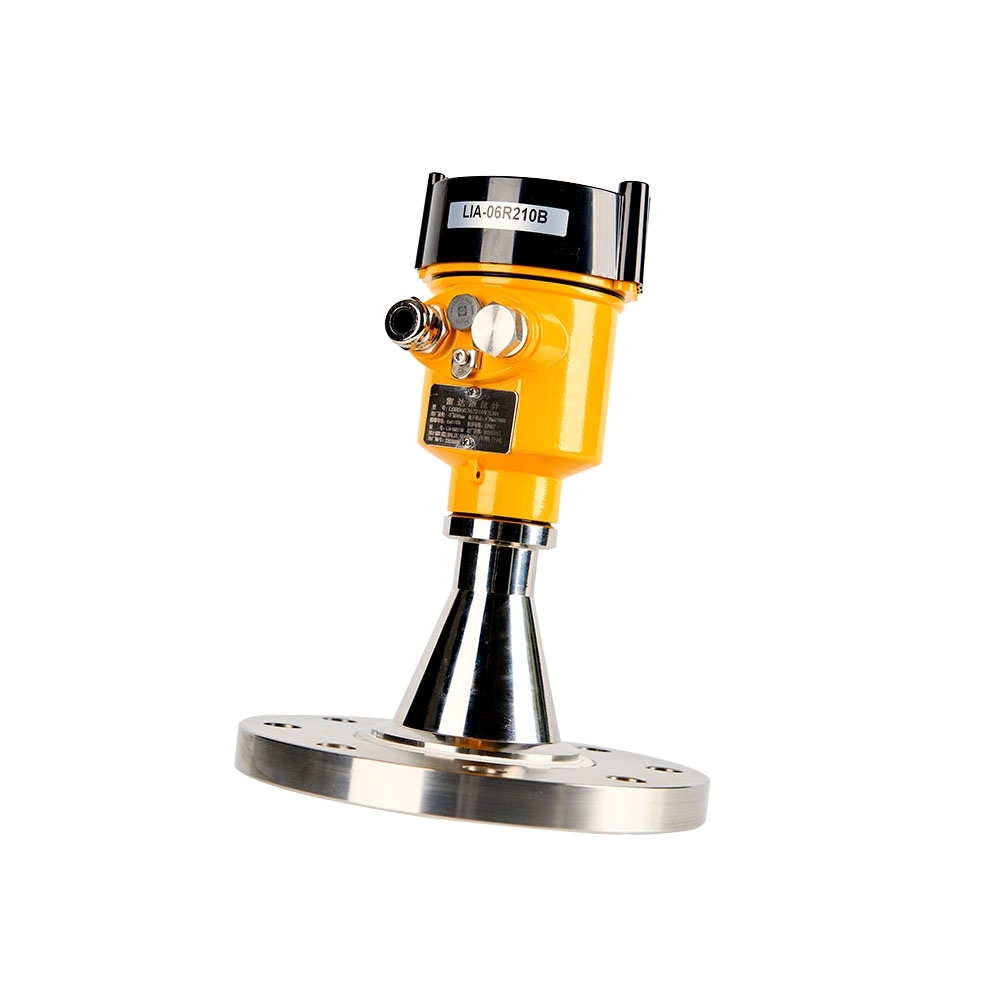
26GHz High-Frequency Radar Level Instrument
The LDRD60XX series sensors are 26G high-frequency radar level measuring instruments with a maximum measuring distance of up to 80 meters. The antenna has been further optimized, and the new high-speed microprocessor enables higher-rate signal analysis and processing, allowing the instrument to be used in: highly complex measurement conditions such as reactors or solid silos. The radar level antenna emits narrow microwave pulses that are transmitted downward through the antenna. When the microwaves contact the surface of the measured medium, they are reflected back, received again by the antenna system, and transmitted to the electronic circuit section for automatic conversion into a level signal (because microwaves propagate extremely fast, the round-trip time for the electromagnetic wave to reach the target and return to the receiver after reflection is almost instantaneous). Note: When using the radar level gauge, make sure the highest material level does not enter the measurement blind zone (the area shown as D in the figure).
View specifications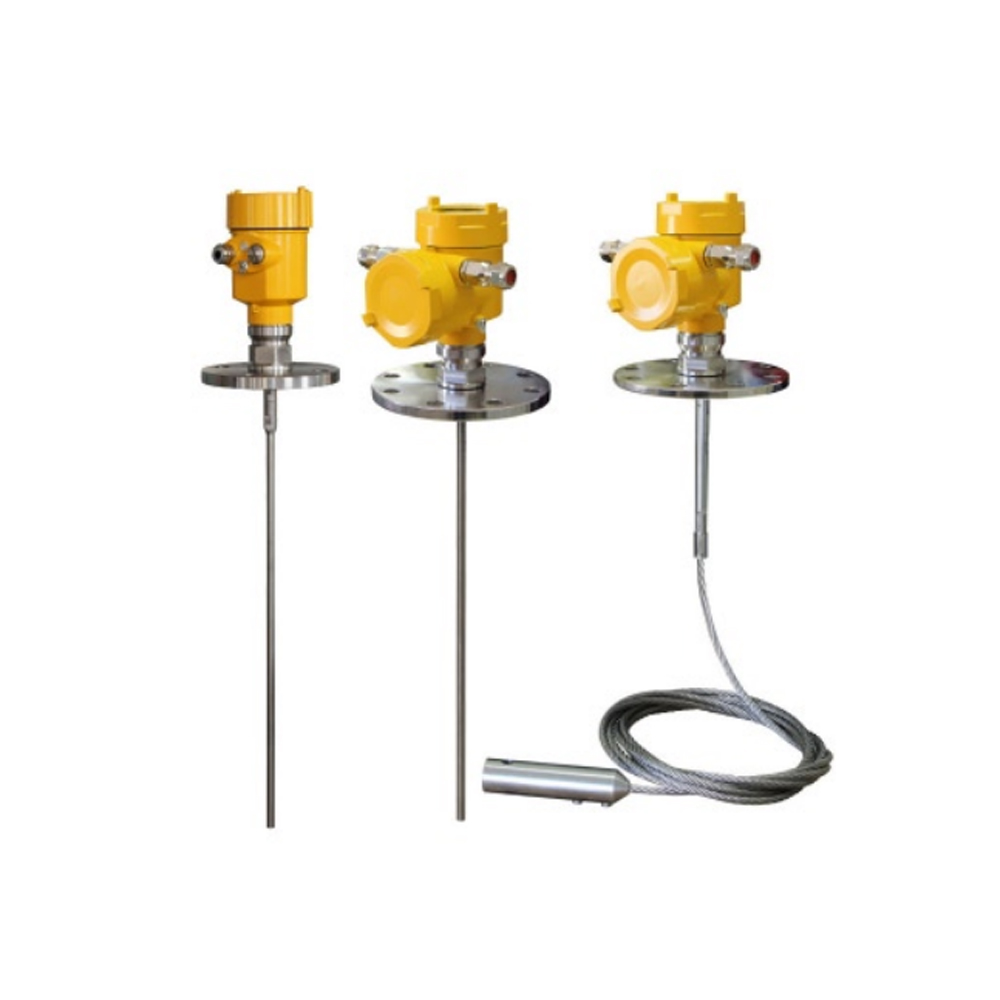
Instrumentation / Level
Guided Wave Radar Level Meter
The guided wave radar level meter is a radar level meter based on the time-domain reflectometry (TDR) principle. The high-frequency microwave pulses emitted by the guided wave radar propagate along the probe (steel cable or steel rod); upon reaching the measured medium, a sudden change in dielectric constant causes reflection, and part of the pulse energy is reflected back. The time interval between the emitted pulse and the reflected pulse is proportional to the distance to the measured medium. Owing to the use of an advanced microprocessor and the distinctive choDiscovery echo processing technology, the guided wave radar level meter can be applied under various complex operating conditions. Multiple process connection methods and probe types make the HBRD70X series guided wave radar level meters suitable for various complex operating conditions and applications, such as high temperature, high pressure and media with low dielectric constant. Using a pulsed operating mode, the guided wave radar level meter has extremely low emission power and can be installed in various metal and non-metal vessels; it is harmless to people and the environment. H----measuring range, L----empty tank distance, B----top blind zone, E----minimum distance from probe to tank wall. *Note: Reliable measurement of the level in the tank can be ensured only when the material is between the top blind zone and the bottom blind zone.
View specifications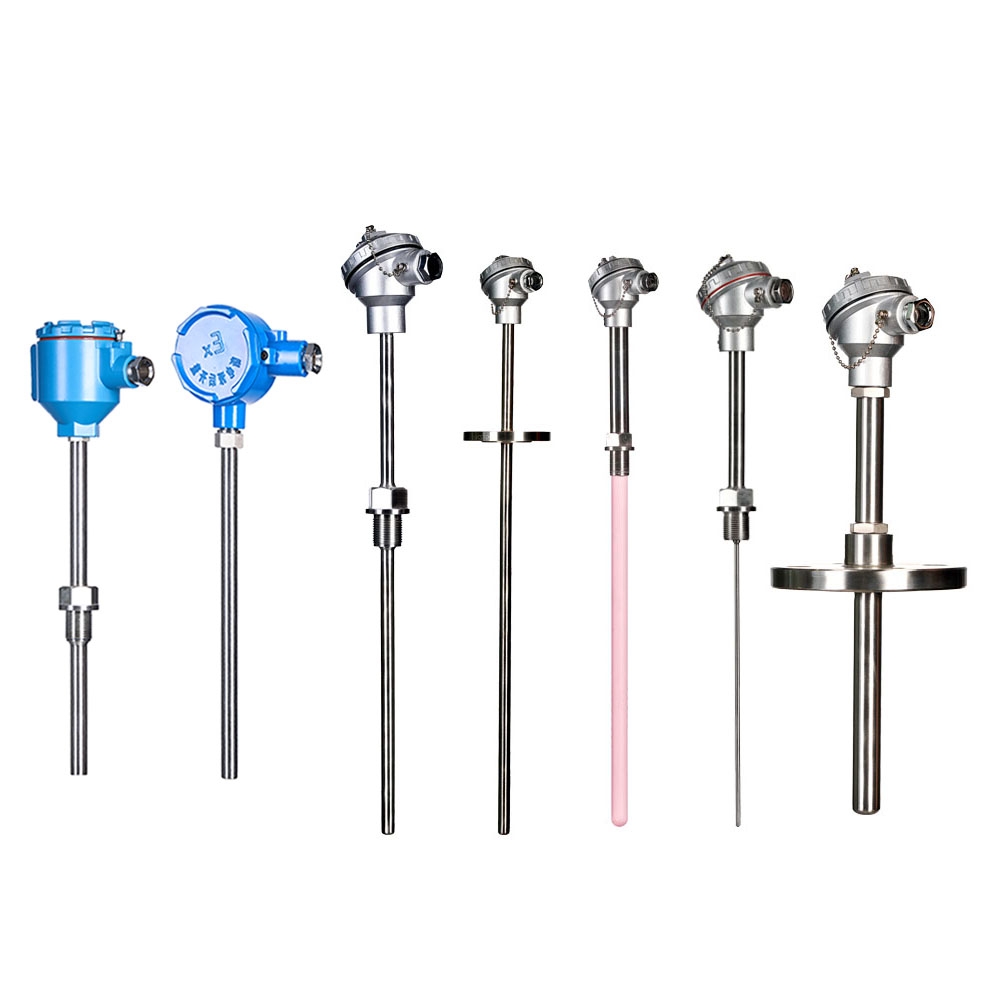
Instrumentation / Temperature
Thermocouple
Two conductors of different composition (called thermocouple wires or thermoelectrodes) are joined at both ends to form a circuit. When the temperatures of the two junctions differ, an electromotive force is generated in the circuit; this phenomenon is called the thermoelectric effect, and this electromotive force is called thermoelectric potential. Thermocouples use this principle for temperature measurement, where the end directly used to measure the medium temperature is called the working end (also called the measuring end), and the other end is called the cold end (also called the compensating end); the cold end is connected to a display instrument or matching instrument, and the display instrument indicates the thermoelectric potential generated by the thermocouple. Common thermocouples can be divided into two major categories: standard thermocouples and non-standard thermocouples. Standard thermocouples are those for which the national standard specifies the relationship between thermoelectric potential and temperature, permissible error, and a unified standard graduation table, and matching display instruments are available for selection. Non-standard thermocouples are inferior to standard thermocouples in scope of use or order of magnitude, generally have no unified graduation table, and are mainly used for measurement in certain special occasions. Our company's thermocouples and thermal resistors are all produced according to IEC international standards, and the seven standard thermocouples/resistances S, B, E, K, R, J, and T can be specified for customization.
View specifications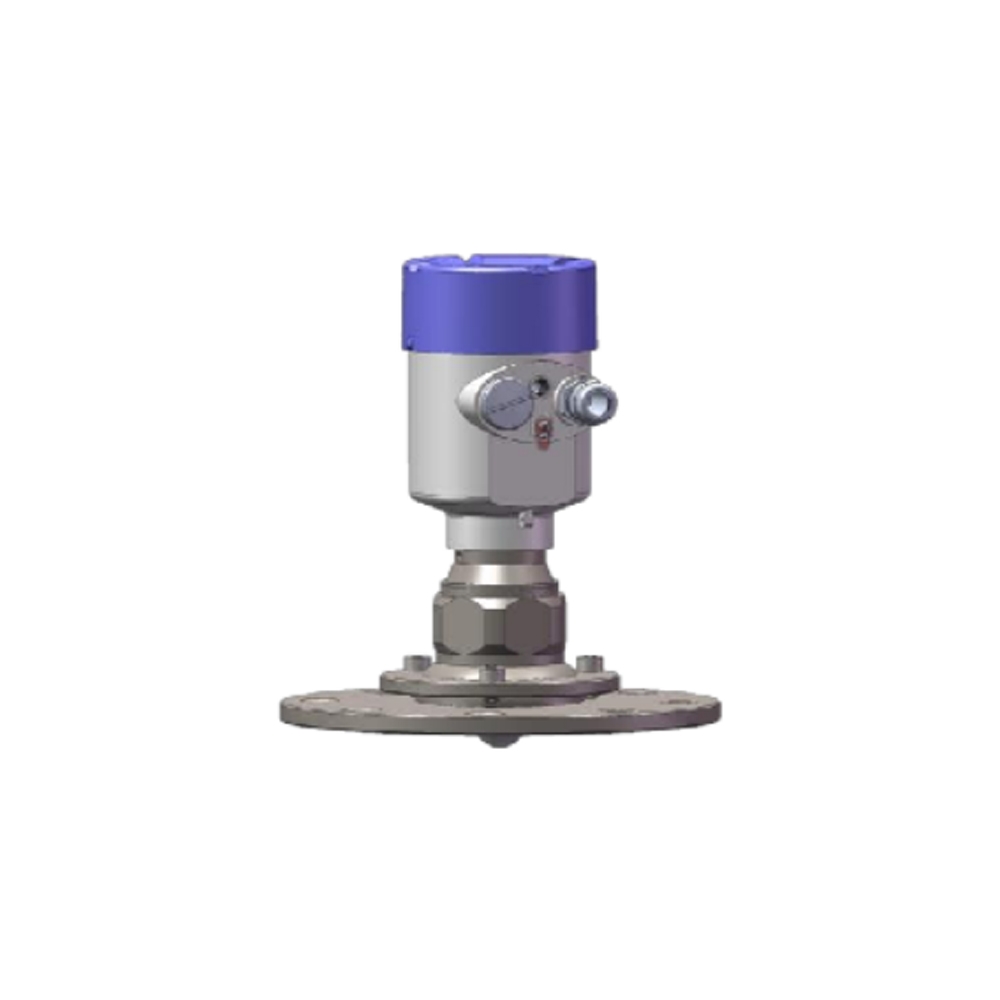
Instrumentation / Level
120 GHz Radar Level Gauge
The LDRD-6120GX produced by our company operates at 120 GHz, which has electromagnetic characteristics in the terahertz band. This gives it characteristics not found in other radar measurement products, such as the ability to penetrate non-polar materials (ray-like properties). In industrial environments with strong adhesion and heavy dust, it offers highly desirable measurement stability and resistance to environmental interference, and requires no purge device. Because it also has a very small antenna beam angle and a strong adaptive automatic gain function, in most cases no aiming device is needed. This makes installation requirements simple and economical in on-site use, and commissioning is quick. The 120G frequency-modulated continuous-wave radar uses a 10 GHz sweep bandwidth, with fast Fourier transform calculation implemented in FPGA chip hardware. Our engineering and technical personnel creatively applied diffracted wave separation and spectrum refinement algorithm implementation technology, enabling measurement accuracy within 50 meters to reach 0.217 mm (theoretical value), and a range resolution of 8 mm for a stationary vertical reflective surface. This product requires only 80 ms to complete a full measurement calculation over a 100 m range.
View specifications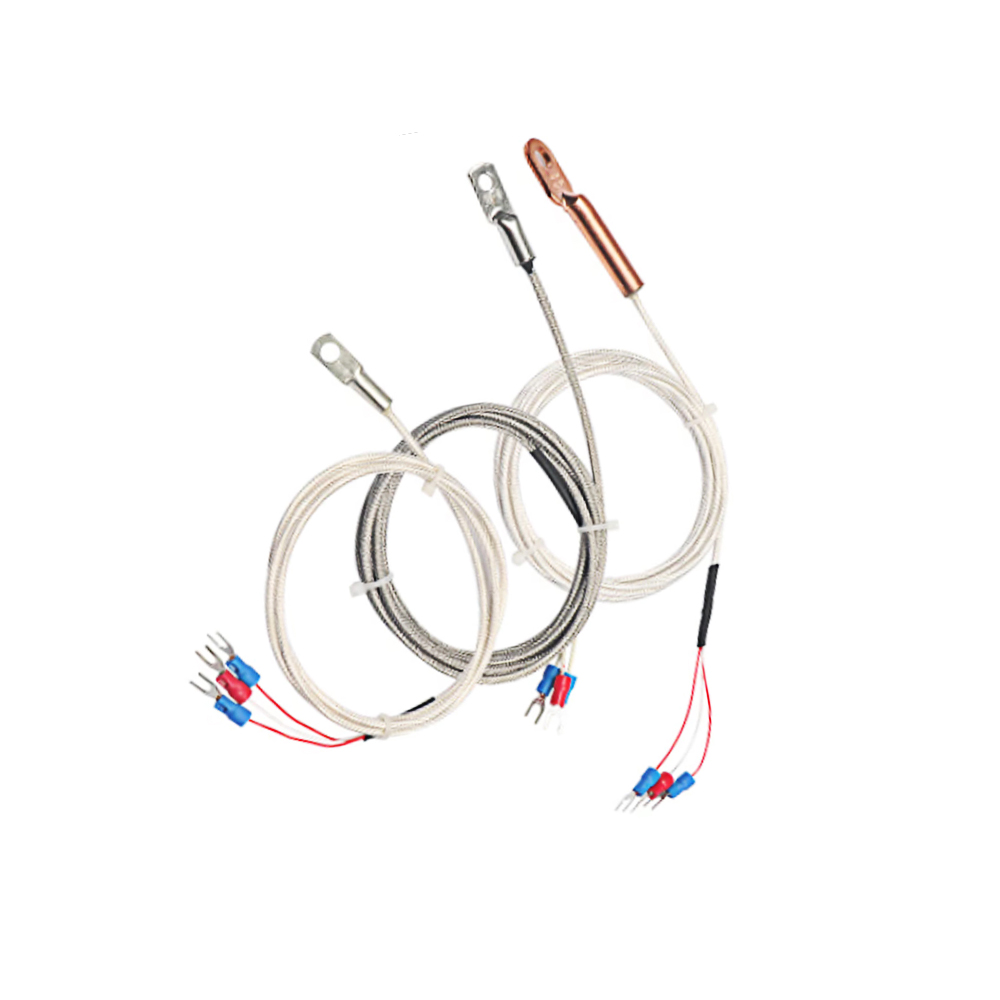
Instrumentation / Temperature
Resistance Temperature Detector
This Pt100 platinum resistance temperature detector uses a high-purity platinum wire as the temperature-sensing element, conforms to IEC60751, has a nominal resistance of 100Ω at 0°C, and a temperature measurement range of -200~500°C. Class A and Class B accuracy are available. It is equipped with a 304 stainless steel protective sleeve, resistant to corrosion and robust in structure. It collects temperature using the characteristic of platinum resistance changing with temperature, with high measurement accuracy, good repeatability and strong stability. It supports two-wire/three-wire/four-wire connection and is compatible with various temperature control instruments. It is widely used for low- and medium-temperature precision temperature measurement in food, pharmaceutical, HVAC and chemical equipment. Protective tube length, threads and flange specifications can be customized. Customization is supported, and supply is stable.
View specifications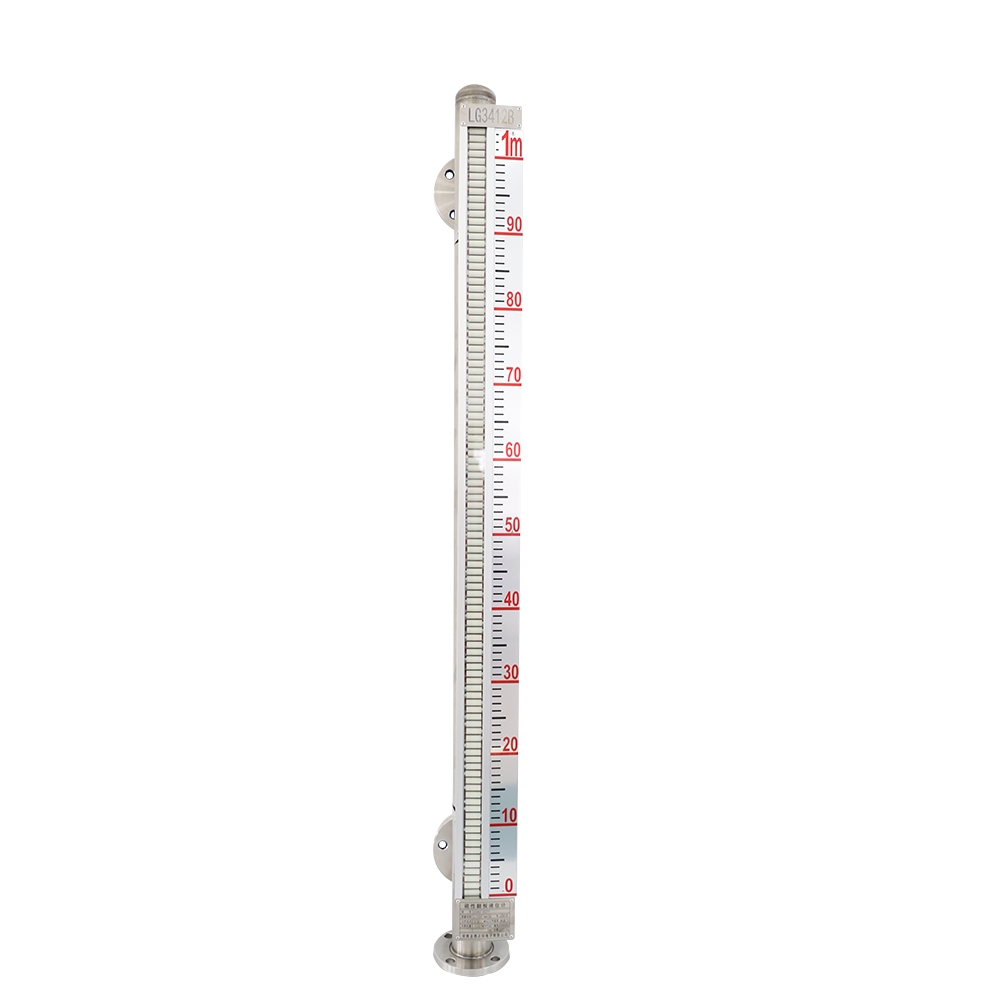
Instrumentation / Level
Magnetic flap level gauge
This magnetic flap level gauge works on the magnetic coupling principle and consists of a main body tube, a float and a magnetic flap indicator panel. Its structure is simple and intuitive, and it provides direct on-site level reading without a power supply. Optional level switches and a 4-20 mA remote transmission transmitter can upload the level signal to a control system. The main body tube is made of 304 stainless steel, resistant to temperature and pressure, and suitable for water, oil and weakly corrosive liquid media. The flaps are red and white: as the level rises the red flaps turn over, and as it falls the white flaps reset, giving clear reading. It can be side-mounted, top-mounted or bottom-mounted, supports flange connection, and an explosion-proof version is optional. It is widely used for level monitoring of storage tanks, reactors, water tanks and other equipment. Custom lengths and materials are supported, customization is available, and supply is stable.
View specifications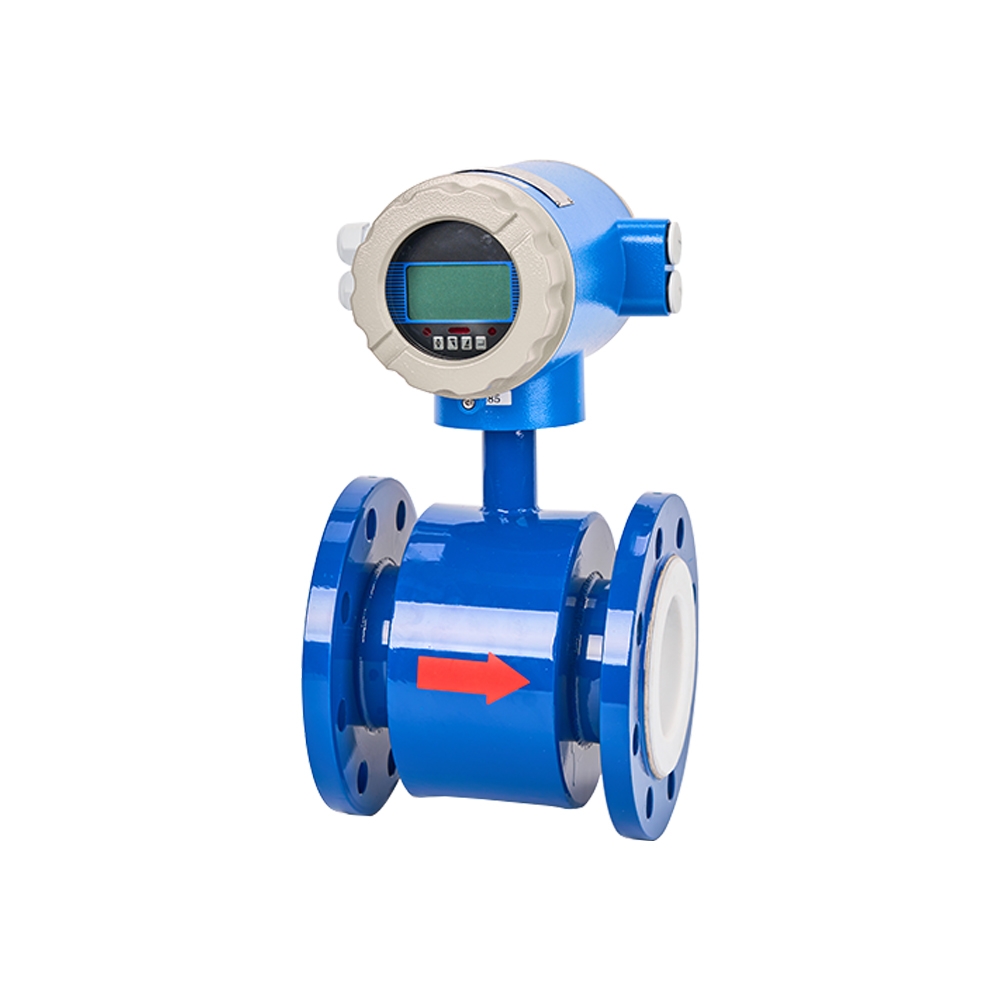
Instrumentation / Flow
Electromagnetic Flowmeter
This intelligent electromagnetic flowmeter operates on Faraday's law of electromagnetic induction and measures the volumetric flow of conductive liquids. It has no internal moving parts and no pressure loss, uses low-frequency square-wave excitation, and offers stable measurement with accuracy of ±0.5% FS. It supports integral or split-type construction with an LCD backlight display showing instantaneous flow, cumulative flow and flow velocity; outputs include 4-20 mA and pulse signals, with optional RS485 Modbus and HART communication. The measuring tube is 304 stainless steel; lining options include rubber, PTFE and PFA; electrodes are 316L stainless steel as standard, with optional Hastelloy, titanium and tantalum electrodes. It features empty-pipe detection and fault self-diagnostics, with protection rating IP65. It is widely used for flow measurement of wastewater, tap water, chemical slurries and conductive acid/alkali media. Flange and clamp connections are supported, customization is available, and supply is stable.
View specifications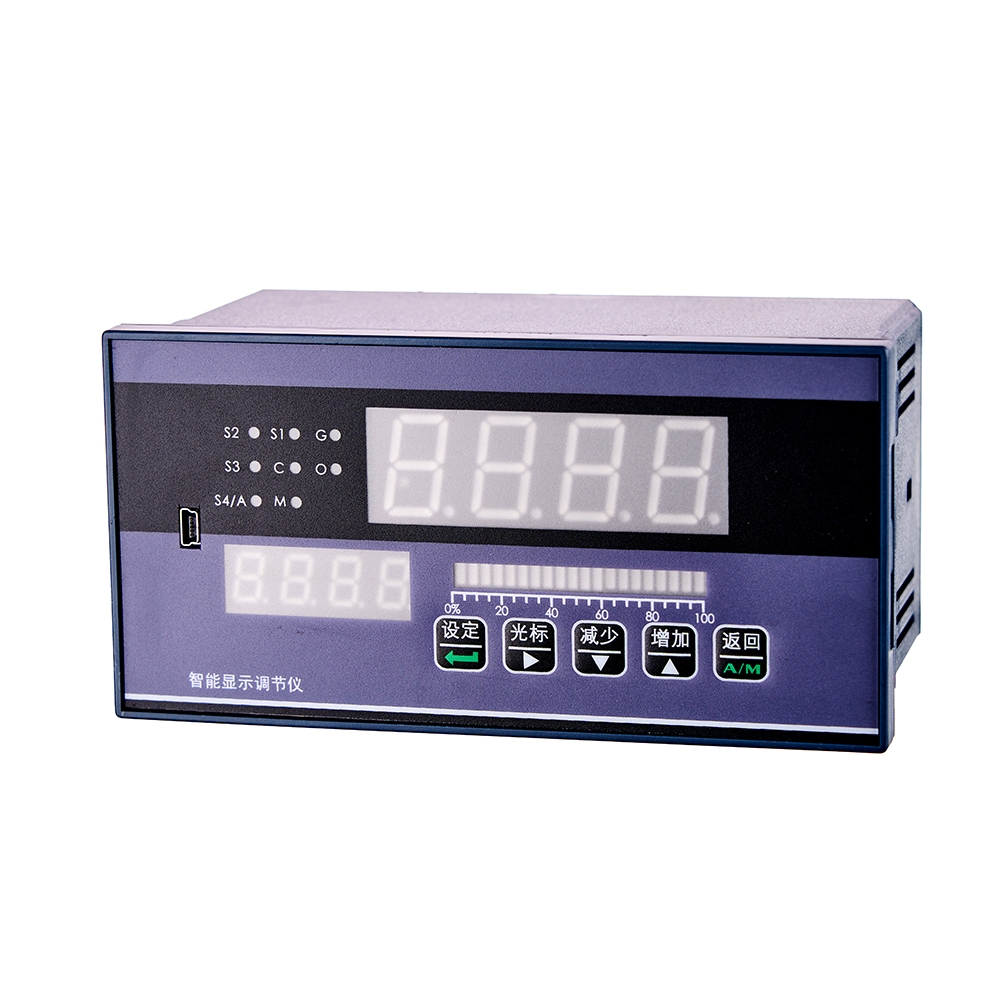
Instrumentation
Intelligent Display Instrument
The earliest smart meters were known as automatic meter reading (AMR) systems, and remote automatic meter reading became the most basic function of smart meters. Using communication functions such as infrared on smart meters enables automatic meter reading. This eliminates the need for staff to go on site for manual meter reading, improving efficiency and reducing the cost of meter reading operations. In addition, it reduces errors caused by human factors, improves meter reading accuracy and increases revenue. Later, bidirectional communication remote operation functions were added to prevent illegal use of electricity/gas, etc., so smart meters were initially applied and favored by the energy industry. Our company's intelligent display instruments have been used throughout China since the 1990s. Our intelligent display instruments have obtained multiple invention patents, and since the beginning of this century have been exported overseas, serving major Fortune Global 500 enterprises. Both product quality and our service reputation are evident to all.
View specifications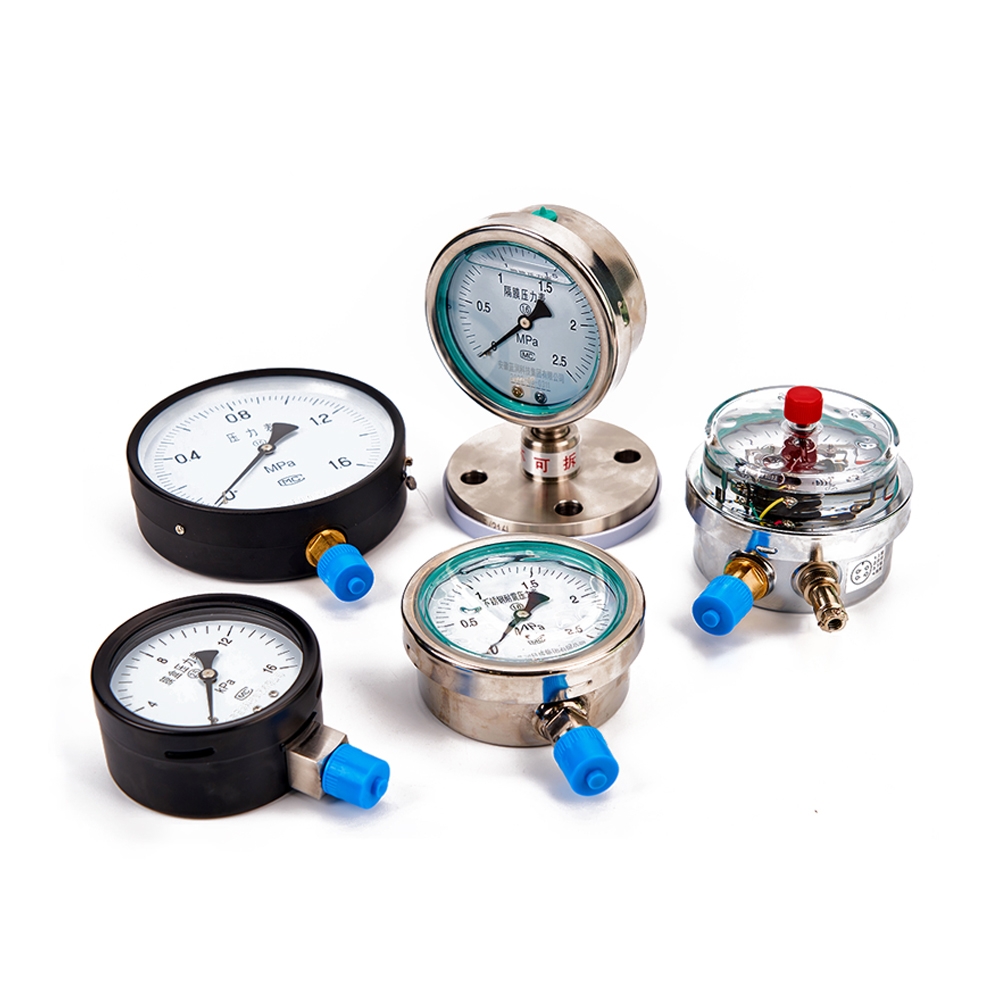
Instrumentation / Pressure
Pressure Gauge
The selection of instrument type must meet the requirements of the process production. For example, whether remote transmission, automatic recording or alarm is required; whether the properties of the measured medium (such as the temperature, viscosity, corrosiveness, degree of contamination, flammability and explosiveness of the measured medium, etc.) impose special requirements on the instrument; and the requirements of on-site environmental conditions (such as humidity, temperature, magnetic field strength, vibration, etc.) on the instrument type. Therefore, correctly selecting the instrument type according to process requirements is an important prerequisite for ensuring normal instrument operation and safe production. For example, the Bourdon tube of an ordinary pressure gauge is mostly made of copper alloy (alloy steel for high pressure), while the Bourdon tube of an ammonia pressure gauge is made of carbon steel (or stainless steel), and copper alloy is not permitted. Because ammonia reacts chemically with copper and may cause an explosion, an ordinary pressure gauge cannot be used for ammonia pressure measurement. An oxygen pressure gauge and an ordinary pressure gauge may be completely identical in structure and materials, except that an oxygen pressure gauge must be oil-free. Because oil entering an oxygen system can easily cause an explosion. The oxygen pressure gauge used cannot use oil as the working medium during calibration like an ordinary pressure gauge, and the oxygen pressure gauge must be strictly kept from contact with oil contamination during storage. If an existing pressure gauge with oil contamination must be used to measure oxygen pressure, it must be repeatedly cleaned with carbon tetrachloride before use and carefully inspected until it is free of oil contamination.
View specifications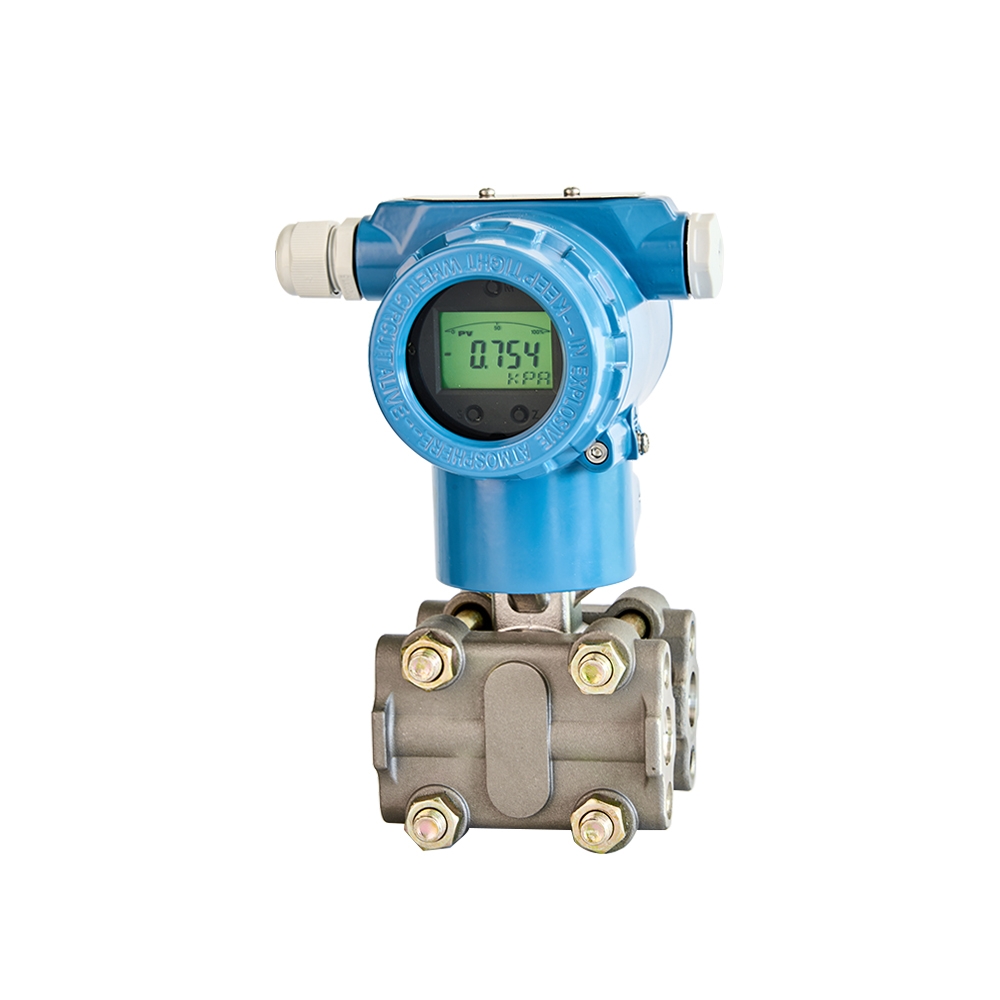
Instrumentation / Pressure
Pressure Transmitter
This pressure transmitter uses a diffused silicon or monocrystalline silicon sensing core and can measure gauge pressure and absolute pressure of gas and liquid media. Range is selectable, accuracy is 0.075% FS, powered by two-wire 24VDC, with standard 4-20mA output and optional RS485/Modbus and HART protocols. The diaphragm and housing are made of 304 stainless steel, with temperature compensation, overload resistance and vibration resistance, protection rating IP65, stable signal and strong anti-interference for long-distance transmission. Widely used for pressure monitoring in water supply, oil and gas, chemical, HVAC and hydraulic equipment, and used with PLC and DCS systems. Custom pressure ports, ranges and display heads are supported; customization is supported, with stable supply and reliable quality
View specifications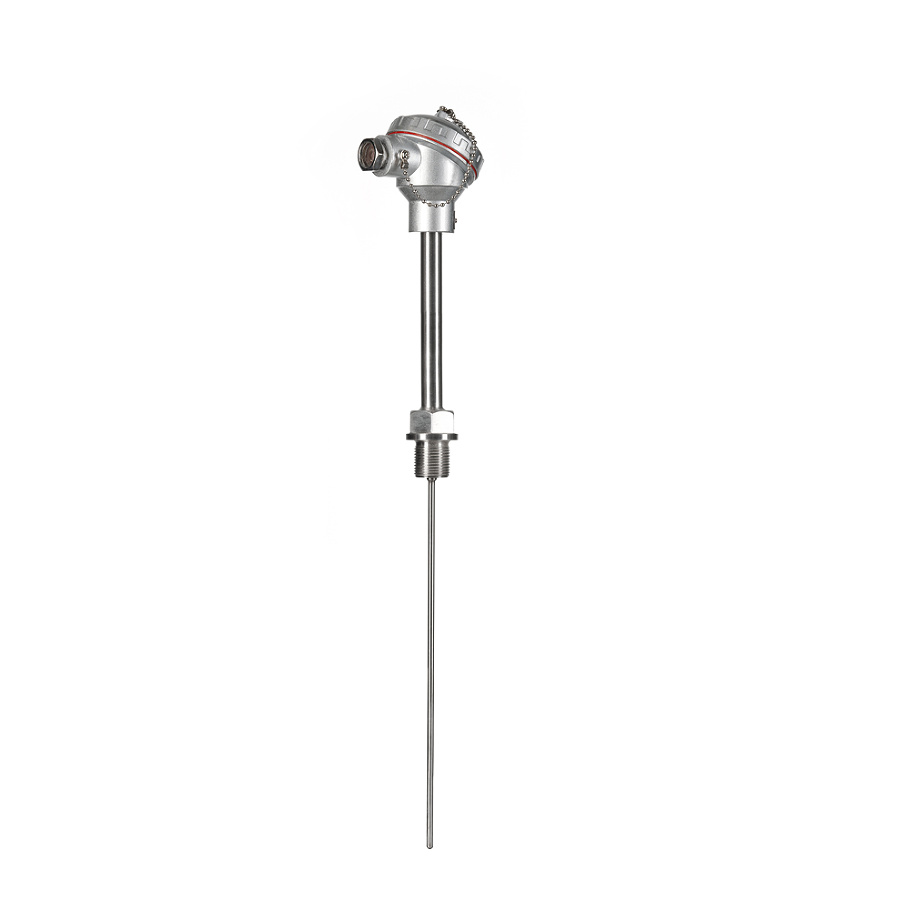
Instrumentation / Temperature
Type K Thermocouple
The thermocouple is a temperature sensing element, using nickel-chromium/nickel-silicon (Type K), conforming to IEC60584, with a temperature range of 0 to 1300°C, accuracy class II, stainless steel protection tube, capable of outputting a thermoelectric potential signal, used for medium temperature acquisition, and paired with temperature control devices for temperature monitoring and control
View specifications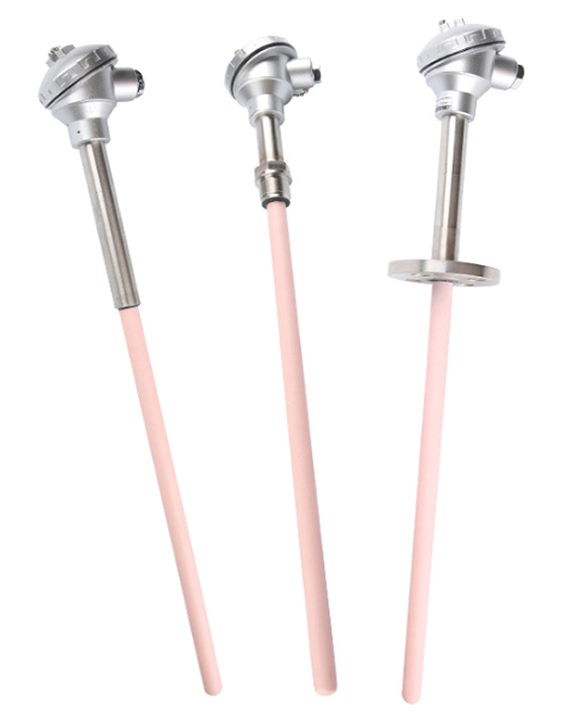
Instrumentation / Temperature
Platinum-Rhodium Thermocouple
This S-type platinum-rhodium thermocouple is a platinum-rhodium 10 - platinum noble metal temperature sensing element, compliant with IEC60584. Long-term temperature measurement range 0–1300°C, short-term maximum up to 1600°C. Accuracy class I/II selectable. Equipped with a corundum protective tube, resistant to high temperature and oxidation, suitable for oxidizing and inert atmospheres. The product offers stable thermoelectric potential and high measurement accuracy; paired with high-temperature instruments for signal acquisition, it is widely used in ceramic kilns, glass furnaces, heat treatment furnaces, and metallurgical high-temperature measurement scenarios. Customizable protective tube length, threads, and flange structures; customizable, stable supply.
View specifications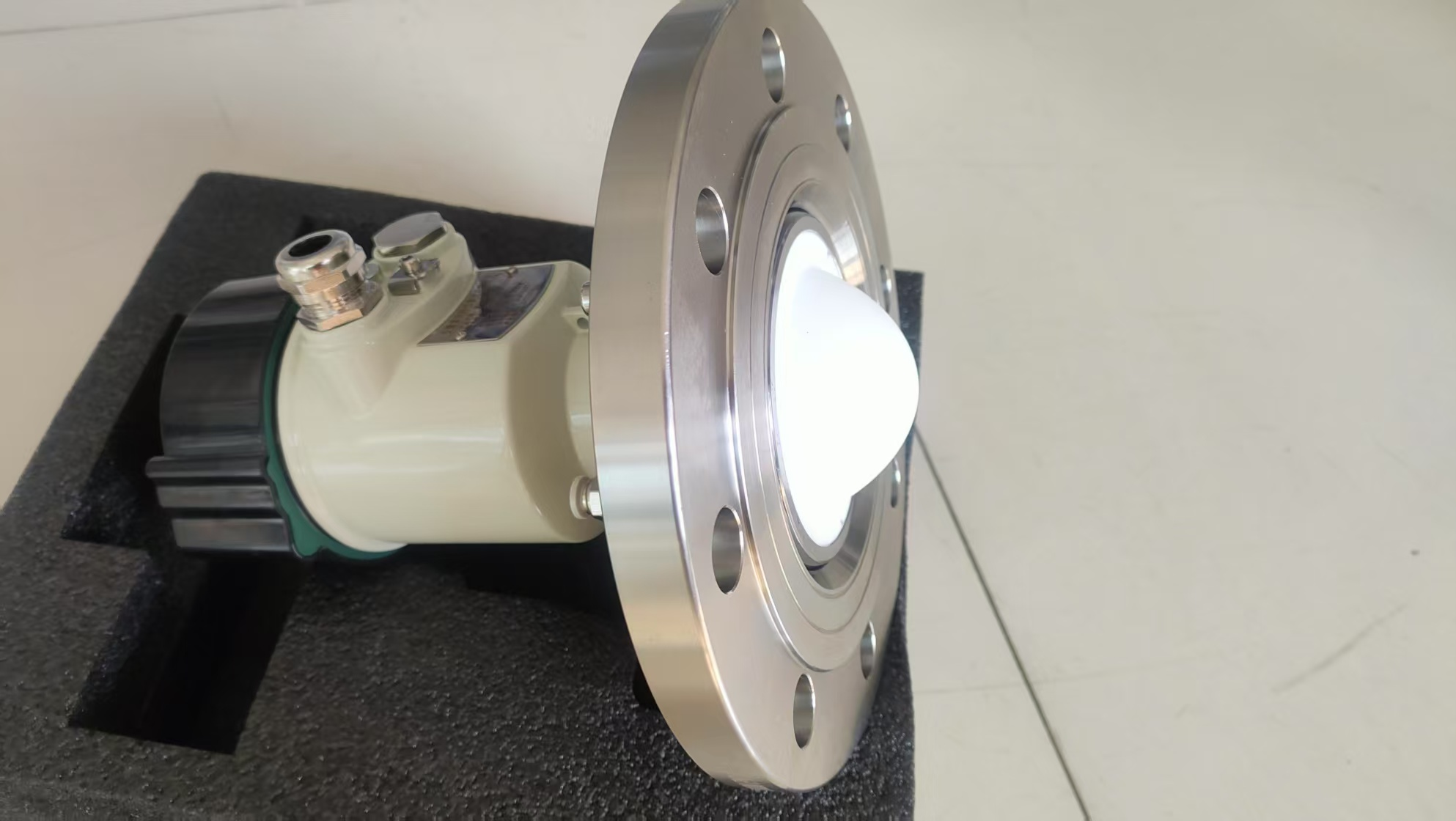
Instrumentation / Level
Radar Level Gauge
This high-frequency radar level gauge uses high-frequency microwave pulse technology for non-contact measurement. It is not affected by medium temperature, pressure, foam or dust, offers high measurement accuracy, is wear-free and requires little maintenance. It is equipped with an LCD backlit display showing level, ullage and volume; supports 4-20mA and pulse output, with optional RS485 Modbus and HART protocols. Antenna options include horn, rod and parabolic types; the housing is aluminum alloy; flanges are available in 304/316L stainless steel; protection rating IP67; explosion-proof versions available. Suitable for storage tanks, silos, reactors, wastewater tanks and similar applications, and can measure liquids, slurries and granular materials. Custom measuring ranges and antenna types available; customizable and stable supply.
View specifications- LR3351
Instrumentation / Pressure
LR3351 Single-Crystal Silicon Smart Transmitter
The source manual describes a digital smart pressure/differential-pressure transmitter using single-crystal silicon sensing technology. The digital indicator can display pressure, current and a 0–100% scale. Source: LR3351 Chinese manual, pages 1 and 3.
View specifications