
Instrumentation
Thermocouple
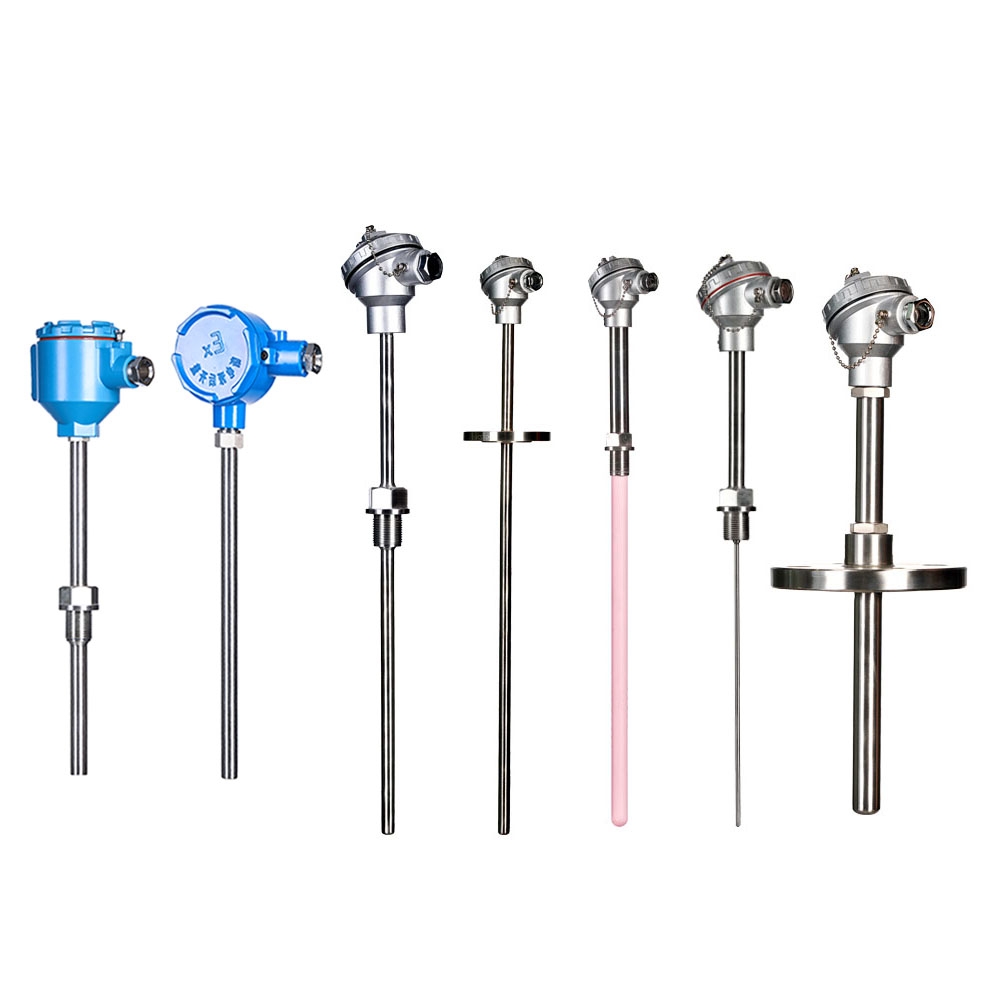
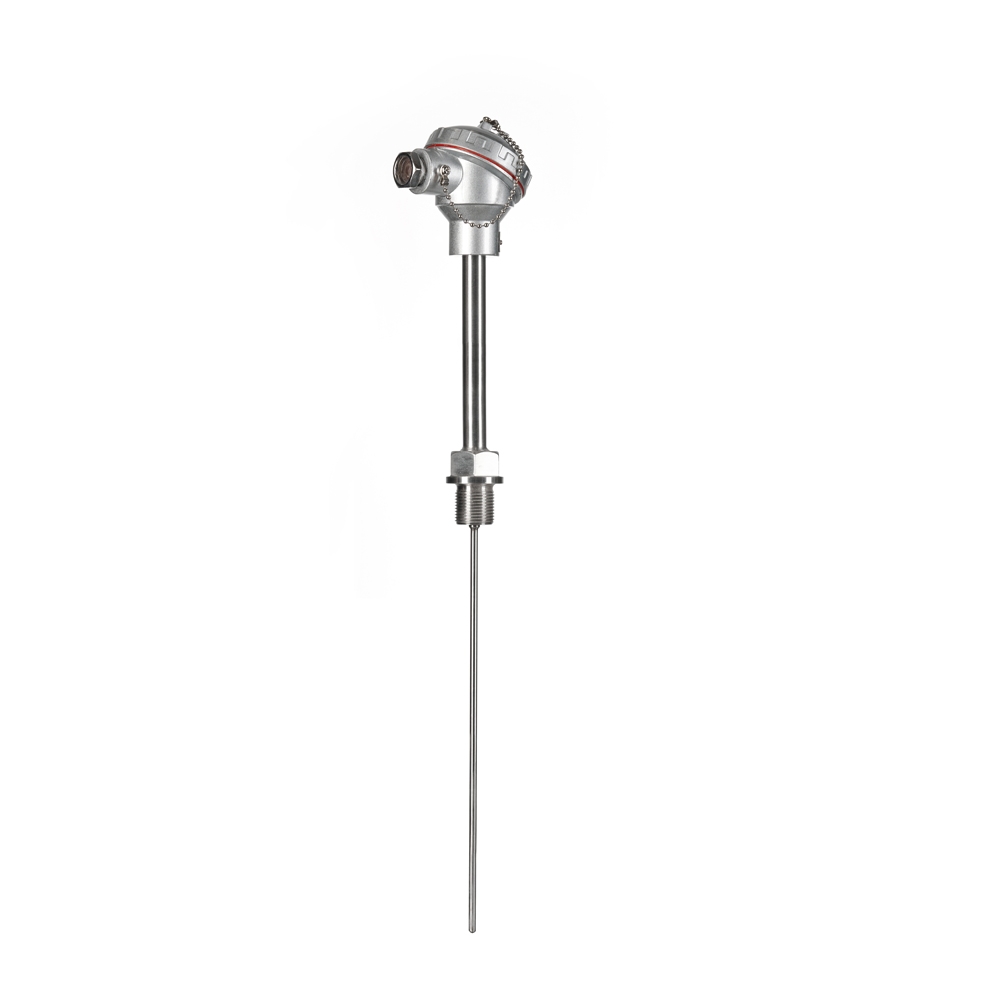
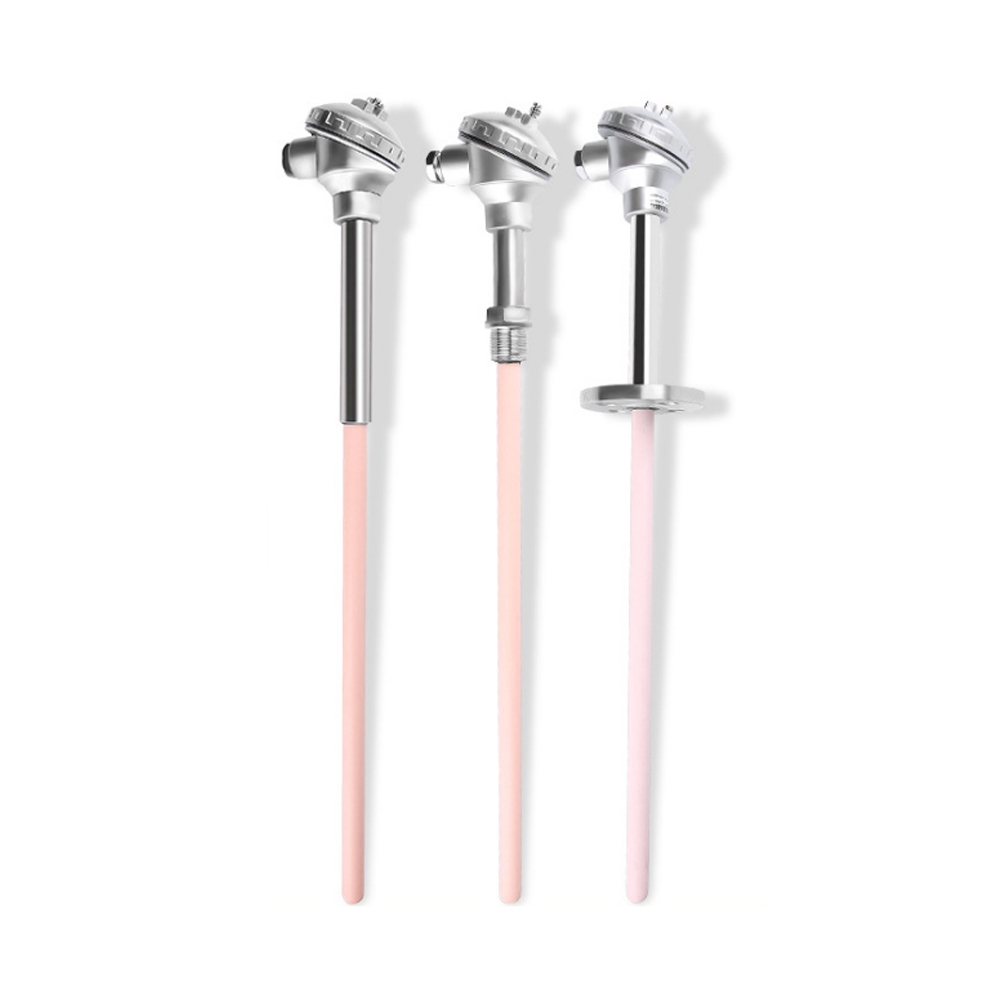
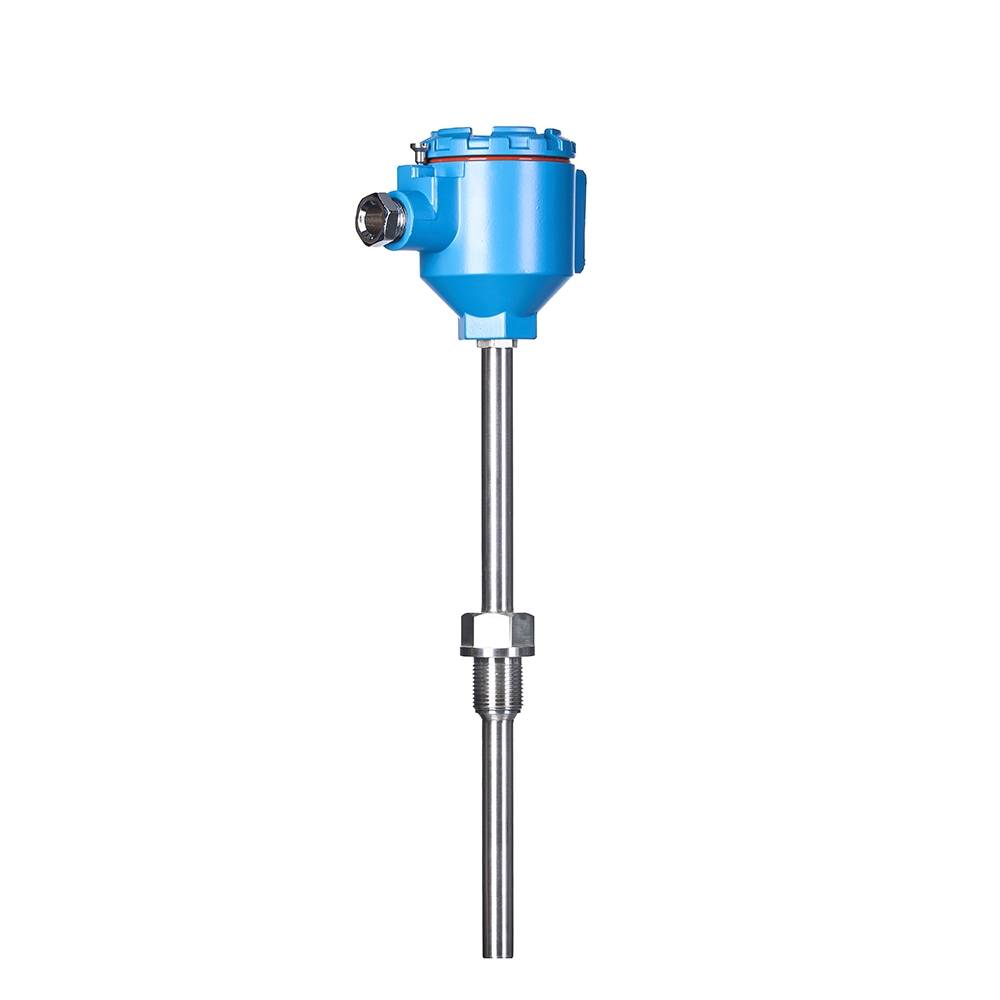
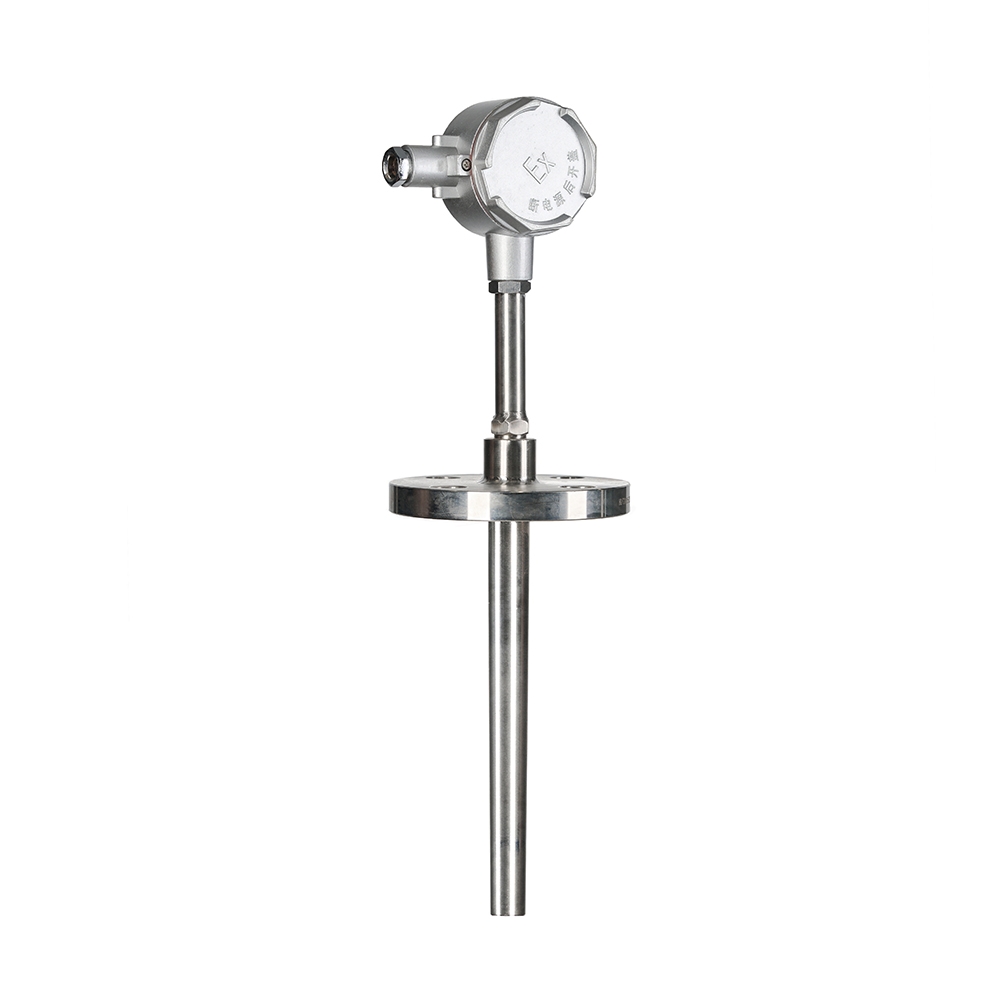
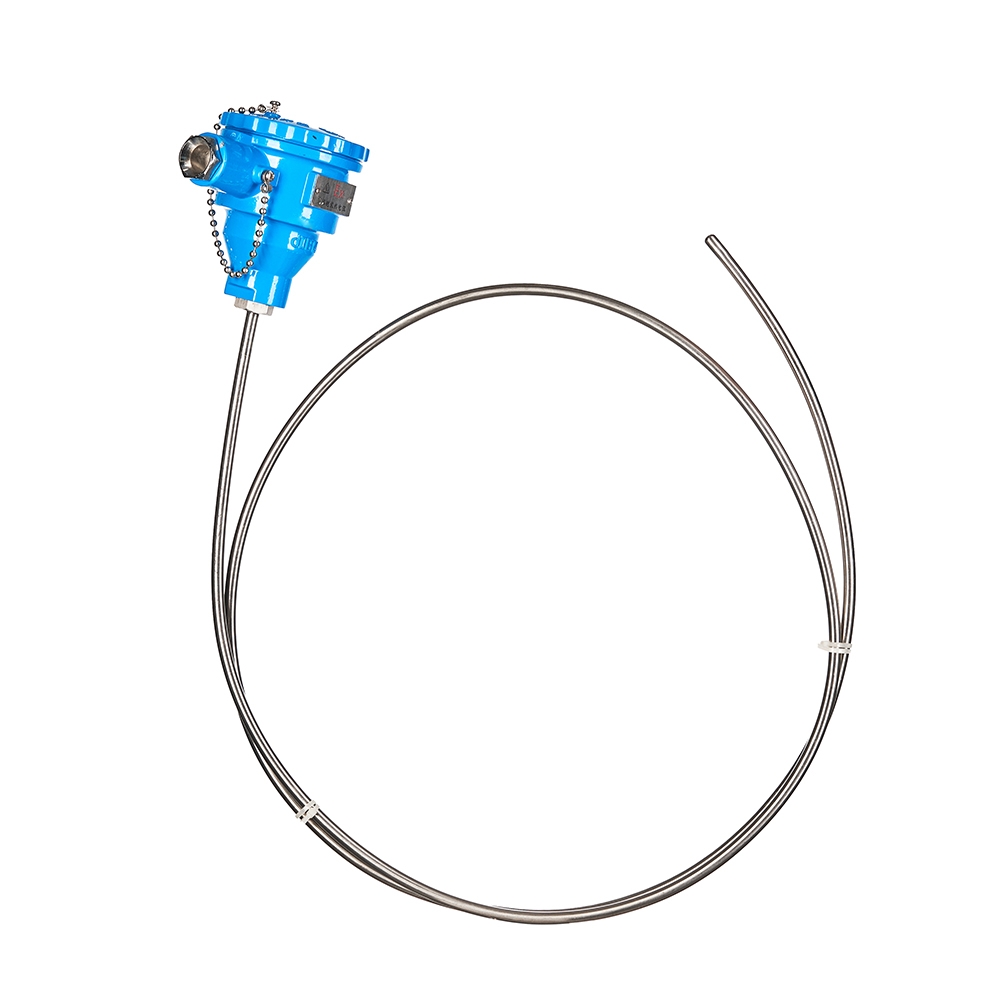
Two conductors of different composition (called thermocouple wires or thermoelectrodes) are joined at both ends to form a circuit. When the temperatures of the two junctions differ, an electromotive force is generated in the circuit; this phenomenon is called the thermoelectric effect, and this electromotive force is called thermoelectric potential. Thermocouples use this principle for temperature measurement, where the end directly used to measure the medium temperature is called the working end (also called the measuring end), and the other end is called the cold end (also called the compensating end); the cold end is connected to a display instrument or matching instrument, and the display instrument indicates the thermoelectric potential generated by the thermocouple. Common thermocouples can be divided into two major categories: standard thermocouples and non-standard thermocouples. Standard thermocouples are those for which the national standard specifies the relationship between thermoelectric potential and temperature, permissible error, and a unified standard graduation table, and matching display instruments are available for selection. Non-standard thermocouples are inferior to standard thermocouples in scope of use or order of magnitude, generally have no unified graduation table, and are mainly used for measurement in certain special occasions. Our company's thermocouples and thermal resistors are all produced according to IEC international standards, and the seven standard thermocouples/resistances S, B, E, K, R, J, and T can be specified for customization.
Request a quotePlease provide your operating conditions, quantity and required connection or output.
Technical details
Specifications from source material
Two conductors of different composition (called thermocouple wires or thermoelectrodes) are joined at both ends to form a circuit. When the temperatures of the two junctions differ, an electromotive force is generated in the circuit; this phenomenon is called the thermoelectric effect, and this electromotive force is called thermoelectric potential. Thermocouples use this principle for temperature measurement, where the end directly used to measure the medium temperature is called the working end (also called the measuring end), and the other end is called the cold end (also called the compensating end); the cold end is connected to a display instrument or matching instrument, and the display instrument indicates the thermoelectric potential generated by the thermocouple. Common thermocouples can be divided into two major categories: standard thermocouples and non-standard thermocouples. Standard thermocouples are those for which the national standard specifies the relationship between thermoelectric potential and temperature, permissible error, and a unified standard graduation table, and matching display instruments are available for selection. Non-standard thermocouples are inferior to standard thermocouples in scope of use or order of magnitude, generally have no unified graduation table, and are mainly used for measurement in certain special occasions. Our company's thermocouples and thermal resistors are all produced according to IEC international standards, and the seven standard thermocouples/resistances S, B, E, K, R, J, and T can be specified for customization.
- Ambient temperature
- 10~35℃ Ambient humidity: ≤80% Measuring temperature: depends on material (-200℃~1300℃, in special cases -270℃~2800℃) *Note: For more data, refer to the catalog
- Graduation
- S, E, K, R, J, T, N, B Measuring range: -200℃~1300℃ (customizable) Connection type: thread/flange (customizable) Executive standards: IEC584, IEC60584, GB/T 16839.1-2018, GB/T 18404-2001
- Terminal box
- custom Terminal length/diameter: custom/custom Measuring terminal length/diameter: custom/custom
Full product details
Overview
Two conductors of different composition (called thermocouple wires or thermoelectrodes) are joined at both ends to form a circuit. When the temperatures of the two junctions differ, an electromotive force is generated in the circuit; this phenomenon is called the thermoelectric effect, and this electromotive force is called thermoelectric potential. Thermocouples use this principle for temperature measurement, where the end directly used to measure the medium temperature is called the working end (also called the measuring end), and the other end is called the cold end (also called the compensating end); the cold end is connected to a display instrument or matching instrument, and the display instrument indicates the thermoelectric potential generated by the thermocouple. Common thermocouples can be divided into two major categories: standard thermocouples and non-standard thermocouples. Standard thermocouples are those for which the national standard specifies the relationship between thermoelectric potential and temperature, permissible error, and a unified standard graduation table, and matching display instruments are available for selection. Non-standard thermocouples are inferior to standard thermocouples in scope of use or order of magnitude, generally have no unified graduation table, and are mainly used for measurement in certain special occasions. Our company's thermocouples and thermal resistors are all produced according to IEC international standards, and the seven standard thermocouples/resistances S, B, E, K, R, J, and T can be specified for customization.
Operating Environment
Ambient temperature: 10~35℃ Ambient humidity: ≤80% Measuring temperature: depends on material (-200℃~1300℃, in special cases -270℃~2800℃) *Note: For more data, refer to the catalog
Technical Parameters
Graduation: S, E, K, R, J, T, N, B Measuring range: -200℃~1300℃ (customizable) Connection type: thread/flange (customizable) Executive standards: IEC584, IEC60584, GB/T 16839.1-2018, GB/T 18404-2001
Dimensions
Terminal box: custom Terminal length/diameter: custom/custom Measuring terminal length/diameter: custom/custom
Product Features
1. Simple assembly, easy replacement 2. Spring-loaded temperature sensing element, good vibration resistance 3. High measurement accuracy 4. Wide measuring range (-200℃~1300℃, in special cases -270℃~2800℃) 5. Fast thermal response time 6. High mechanical strength, good pressure resistance 7. High temperature resistance up to 2800 degrees 8. Long service life